
The key work Rochester winters create.
Origination, coding and cylinder repair delivered to the curb, the driveway or the lot.
Lost Key Origination
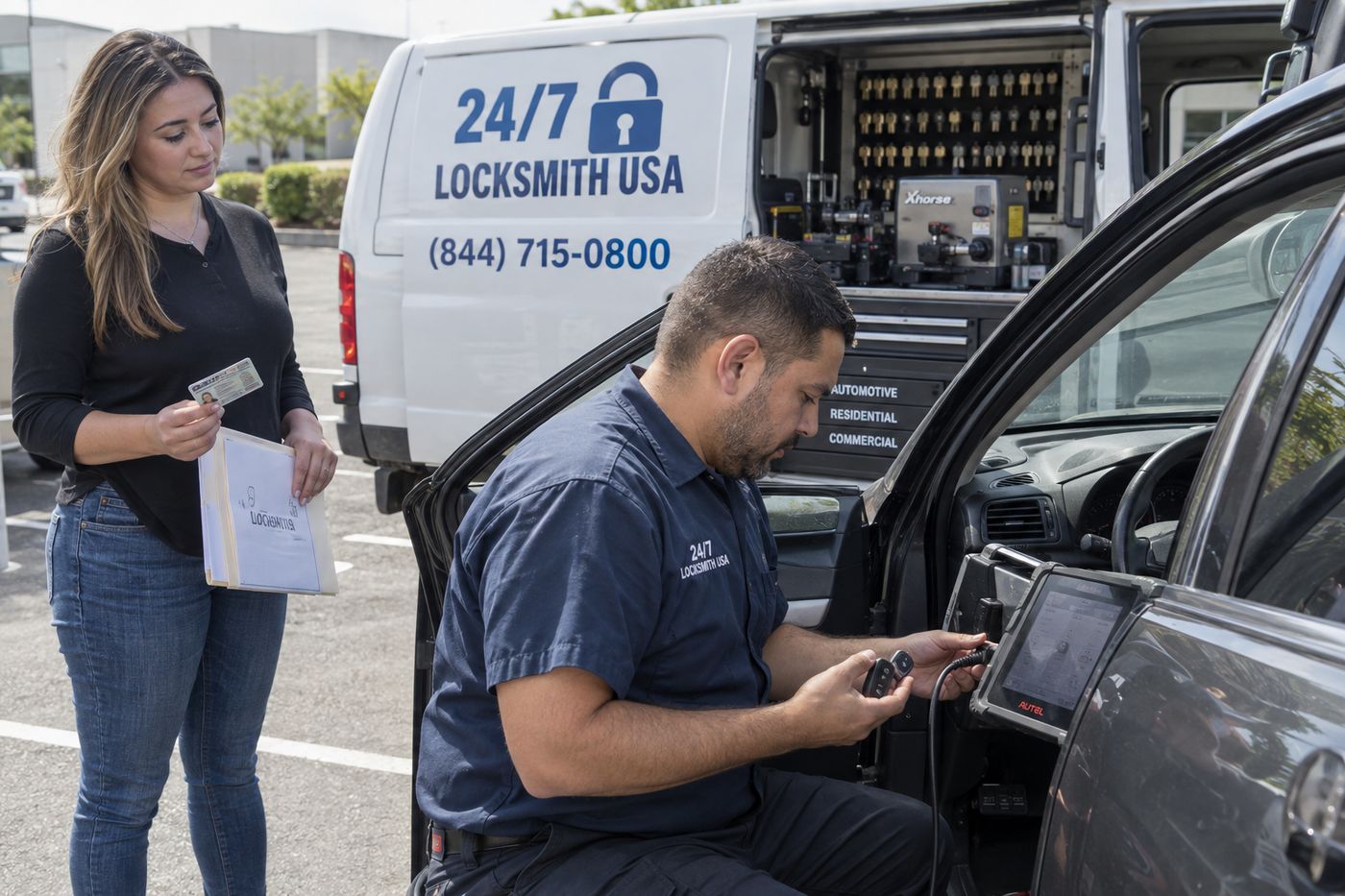
Nothing left after a key went into a curbside drift, so we cut and code a new one on site.
Freeze-Thaw Lock Repair
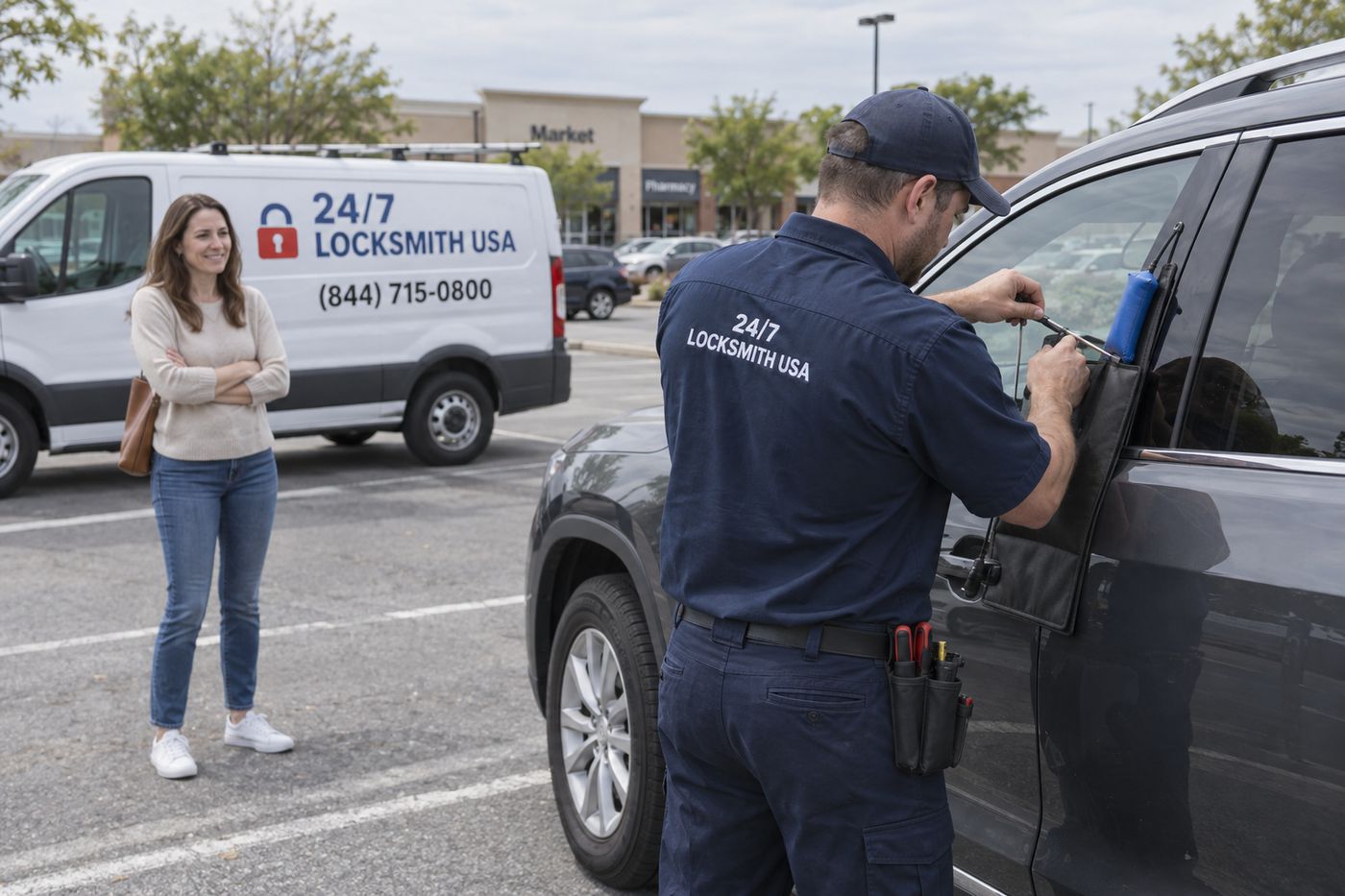
Cylinders that grind after months of salt water and refreeze get serviced or replaced.
Remote & Fob Coding
Corroded remotes are swapped and programmed to your vehicle in the driveway.
Ignition Barrel Service
Ignitions stiff from winter grit get rebuilt so the key turns without a fight.
Smart Key Programming
Push-to-start keys coded at the curb because the back driveway never got plowed.
Broken Key Removal
We extract the snapped half from a frozen lock and cut a replacement to code.
Freeze, thaw and salt on Rochester locks.
The freeze-thaw cycle is what makes this city hard on hardware. Snow melts on a warm afternoon, salt-laden water runs into every seam and keyway on the car, and then the temperature drops again overnight and locks it in place. Repeat that from December through March and a door cylinder that worked fine in the fall becomes a cylinder that grinds, then binds, then refuses. The same water sits on the exposed contacts of a fob carried in a coat pocket, and the corrosion there is what kills most remotes in this area, not the electronics. Where the car sleeps matters too. A lot of Rochester housing, in the Nineteenth Ward, around Park Avenue and out through the older stock in the South Wedge, has a detached garage at the end of a long shared driveway that nobody plows to the back. So the car ends up at the street instead, outdoors, taking everything the plows throw. And a key lost in a snowbank at the curb is not found again in March. It is replaced. We come to the vehicle where it is standing and build a key that starts it.
Why cold weather exposes weak keys
A key that has worked for years can fail on the first truly cold morning. Metal shrinks slightly in the cold, old lubricant thickens, and any moisture inside a lock turns to ice. A worn key that barely gripped the pins in July may not grip them at all in January. That is why many drivers say their key died overnight, when in truth it had been fading for months.
This page is general guidance for drivers in Rochester. It does not describe particular streets, lots or buildings, and it makes no claim about local rules. Think of it as a cold weather checklist you can read in a warm room and use in a cold parking space.
The most important habit in winter is patience. Cold makes people hurry, and hurrying makes them force locks, yank frozen handles and twist keys that are already stressed. A snapped key or a broken door handle is a bigger problem than the one you started with, so take a breath, protect your hands and work gently.
It also helps to remember that cold affects your own judgment. Numb fingers drop keys into snowbanks, and tired drivers forget which pocket they used. If you can, step into a doorway or a heated space before you decide anything. Even a few minutes of warmth makes the whole situation easier to think through, and clear thinking is what gets a locked or lost key resolved with the least trouble and expense.
Frozen door locks and frozen seals are different problems
Two things get confused all the time. A frozen lock is one where the key will not go in or will not turn because ice has formed inside the cylinder. A frozen door seal is one where the lock turns freely but the door will not open because the rubber has frozen to the frame. They look alike from the driver's seat and need different responses.
If the key turns easily but the door resists, the seal is likely the culprit. Pushing gently on the door to break the seal, rather than pulling the handle harder, often works. Pulling a frozen handle with force can snap the plastic parts inside the door, and those repairs are not small.
If the key will not go in or will not turn, stop. Do not use brute force or a different tool to try to pry it. The safest step is often to warm the area gently and call a professional if it will not budge.
One thing to avoid is pouring hot water over a frozen lock or door. It melts the ice for a moment, then refreezes as a thicker layer, and it can crack glass and damage paint. A gentle warmth from your hands, a warm cloth or time in a heated garage is kinder to the car. Also avoid putting a lighter flame to a key, since that can damage the chip inside and ruin the key.
Road salt, slush and what they do to locks
Winter roads in this region are treated with salt, and that salt travels. It lands on doors, handles, keyholes and the underside of the vehicle. Salt is corrosive, and over a few winters it attacks lock cylinders, door linkages and the electrical contacts inside fobs and door modules.
Slush adds water, and water carried into a lock by a key refreezes the next night. If you notice a lock getting stiffer through the season, that is a sign of buildup. Wiping the key before inserting it, and avoiding spray products you are not sure about, keeps things cleaner. Ask a professional which lubricant suits your lock, since the wrong one can attract grit.
Over time, corroded door lock parts can fail even when the key is fine. A door that locks and unlocks erratically, or an actuator that buzzes without moving, belongs in a different category from a worn key. An actuator is the small motor inside the door that moves the lock, and when it wears out the repair is a job for a technician, not a key.
Wash the car regularly in winter, including the door edges and the area around the handles, and dry the keyholes if you can. It sounds like a small thing, but it removes salt before it can do lasting harm. When you do wash, be careful with fobs in your pocket, since water exposure is one of the common ways a remote gets damaged during an ordinary chore.
Fobs and batteries in the cold
Small batteries lose strength in the cold. A fob that works indoors can seem dead in the driveway, then recover after a minute in your warm pocket. That behavior is a classic sign of a battery near the end of its life. Replacing it before the next cold snap costs far less than a lockout on a windy morning.
If the fob works only when you hold it against the door handle or the push button, the battery is almost certainly weak. Our guide on changing a key fob battery covers the usual steps. If new batteries do not last, the fob or the car may have a fault that a technician should look at.
Keep a spare battery at home, and know where your car's hidden emergency blade is. Most fobs conceal a small metal key for use when the battery fails. Practicing once on a mild day, so that you know how to release it, is far better than learning in a snowstorm.
Gloves complicate things too. Thick gloves make small buttons hard to press and make it easy to drop a fob. If your hands are cold and clumsy, slow down, and keep the fob on a lanyard or a ring that attaches to your coat or bag. A dropped fob in a snowbank may be hard to find, and a fob that sits in wet snow can take on water and fail later.
What to do when you are locked out in the cold
A lockout in winter has a risk summer lockouts lack, which is exposure. Before anything else, check that you are warm enough and safe. If you are in a lot at night, move to a lit, populated spot, and ask someone to wait with you if you can. If anyone is inside the car, especially a child or pet, call emergency services first.
If you are simply locked out and safe, check every door and the trunk, think about whether a spare or a family member is within reach, and see whether your insurance or roadside plan includes lockout help. Your insurance card or phone app usually lists a roadside number, and it is worth a short call to find out what is covered.
If you need a locksmith, the service page on car lockout service describes the process. Do not try to open the car yourself with a tool. Cold plastic is brittle, and weatherstripping, door skins and wiring are easily damaged. Winter is the worst time to experiment.
While you wait, keep moving a little to stay warm, and stay out of the path of vehicles, especially when snow reduces visibility and traction. Turn on your phone's flashlight if it is dark, and tell the dispatcher about any hazards around the car, such as deep snow, ice or a steep driveway. A technician who knows what to expect can plan for it, and the visit goes more smoothly for everyone.
Keys left running, warming up and driveway habits
Many drivers start the car and let it warm up while they scrape the windows. That is a common recipe for a lockout with the engine still running. The doors lock, the keys are inside and the car sits idling, burning fuel. If this happens, mention it clearly on the call, because it affects the plan.
A simple rule helps. Keys in your pocket before you shut the door, every time, even if you plan to come right back. If you use a remote starter, be aware that some cars lock automatically after starting, and some will shut the engine off if a door opens. Learn how your particular system behaves.
Keep your keys on you rather than in a coat that you hang on a hook, particularly in a shared space such as a workplace. A key lost from a coat pocket in a crowded place is one of the most common reasons people end up needing a full replacement.
Remote starters add a twist. If you have one, the starter fob and the key may be separate pieces, and a lost remote starter fob does not always mean the car key is gone. Tell the technician which items you have lost. The remote start system on some cars is tied to the main key, and on others it is a separate aftermarket module, which changes what can be programmed and how.
Replacing a lost or broken key
A lost key in snow is a particular misery. If you retraced your steps and cannot find it, treat it as gone and consider whether it might be in someone else's hands. A new key can be made from the VIN and proof of ownership. Whether older keys should be removed from the car's memory is a good question to put to the technician.
A key that snapped is a different task. The broken part may still be in the door lock or ignition. Do not try to pull it out with pliers, glue or a pin. The page on broken key extraction explains why trained removal protects the lock from further damage.
For a chip key or a smart key, replacement includes programming. The service page on car key replacement describes the whole picture. The guide on what to do when you lose your car key offers a clear order of steps for the first hour.
Once the new key is made, do not stop there. Ask the technician to test the doors, trunk, remote buttons and engine start with you. Keep the new key and any spare in separate places, and consider adding a spare while the technician is already there, since the equipment is set up and the paperwork is done. Doing it then is simpler than arranging another visit later.
Proof, VIN and what to have ready
Any reliable locksmith will check that you are entitled to the vehicle before opening it or making a key. Have photo identification and a document that ties you to the car, such as a registration or title. The VIN, which is visible at the base of the windshield and on your paperwork, lets the technician look up the correct key.
In winter, paperwork has a way of ending up in the glove box of the locked car. Keep a photo of your registration and insurance card on your phone, and keep your phone charged. Cold drains phone batteries, so keep it in an inside pocket rather than on a car seat.
Rules differ for leased, financed and company vehicles. Mention that when you call. The guide on how much information a locksmith needs goes through the typical list.
If you recently bought the car used, you may not yet have a title in your name, or the registration may still show the seller. Bring the bill of sale and any temporary paperwork, and be ready to explain. A responsible locksmith would rather take a few extra minutes to confirm things than program a key for a car with an unclear owner. That caution protects you as much as anyone.
Calls, quotes and the service call charge
Ask for a quote by phone, and ask what the service call charge covers before anyone is sent. A reputable business explains this plainly. If the number is vague or changes on arrival, you have the right to decline and call someone else.
No honest dispatcher promises an exact arrival time before hearing where you are. In winter, snow, ice and traffic affect everyone's schedule, and it is better to hear an honest I am not sure than a firm promise that falls apart. Our guide on the service call charge explains the terms.
Take note of who you spoke with and what was said. If a technician arrives who does not match the business you called, ask politely before any work starts. This is a normal step, and a professional will welcome it.
Be wary of any business that answers with a generic greeting and no company name, or that will not tell you where the technician is coming from. Winter weather draws out some unreliable operators, because stranded drivers are less likely to shop around. A short list of questions kept on your phone, covering name, quote, service call charge and what proof is needed, keeps you in control of the call.
Nearby cities and the New York overview
Upstate drivers cross between cities often. Similar guidance is on the pages for Buffalo, Syracuse and Albany, and the New York service page gives the wider view.
Before winter sets in, check your spare key, replace weak fob batteries, wipe your keys clean and store documents where you can reach them. These small steps cost little and protect you from a miserable morning. Add a note in your calendar each autumn so the routine does not depend on memory, and treat a sticky lock or a hesitant fob as a prompt to act now, not a quirk to ignore until the first deep freeze arrives.
If you commute between cities or park in shared lots, keep a spare key with a person you trust and make sure that person knows how to reach you. It is a small arrangement that can turn a long cold wait into a short errand, and it works for lockouts, lost keys and dead fobs alike.
When trouble does come, call, describe the vehicle and your location, and have your identification, proof of ownership and VIN ready. Ask for the quote and the service call charge before dispatch.
Common questions
My key will not turn in the cold. Should I force it?
No. Forcing a stiff or frozen lock can bend the key or snap it inside the cylinder, which creates a bigger repair. Warm the area gently if you can, and give it time. If it still will not turn, call a professional rather than adding force, especially if the key looks worn.
How do I tell a frozen lock from a frozen door seal?
If the key will not go in or will not turn, the lock itself is the problem. If the key turns freely but the door will not open, the rubber seal is likely stuck to the frame. In that case, pushing gently on the door can break the seal without pulling the handle harder.
Why does my fob die on cold mornings and then work again?
Cold reduces the output of small batteries. A fob with an aging battery may fail outdoors and recover once it warms in your pocket. That pattern means the battery is near the end of its life. Replacing it before the next cold stretch is a sensible move.
What if my car is locked with the engine running?
Tell the dispatcher right away, because it affects how the work is planned. Keep clear of the vehicle, and make sure it cannot roll. If a child or pet is inside, call emergency services first. Avoid trying to force the door yourself, since cold plastic and weatherstripping are easily damaged.
Can a locksmith replace a key if all of them are lost?
Yes, in most cases a technician can make a new key from the VIN after confirming proof of ownership. The work includes cutting the blade if the key has one and programming the electronics so the car accepts it. Ask whether the old keys can be removed from the car's memory.
What should I do before winter to avoid key trouble?
Replace weak fob batteries, make and test a spare key, wipe your keys clean, and keep a photo of your registration and insurance on your phone. Learn where your fob's hidden emergency blade is, and practice releasing it. These steps reduce the odds of a cold weather emergency.