
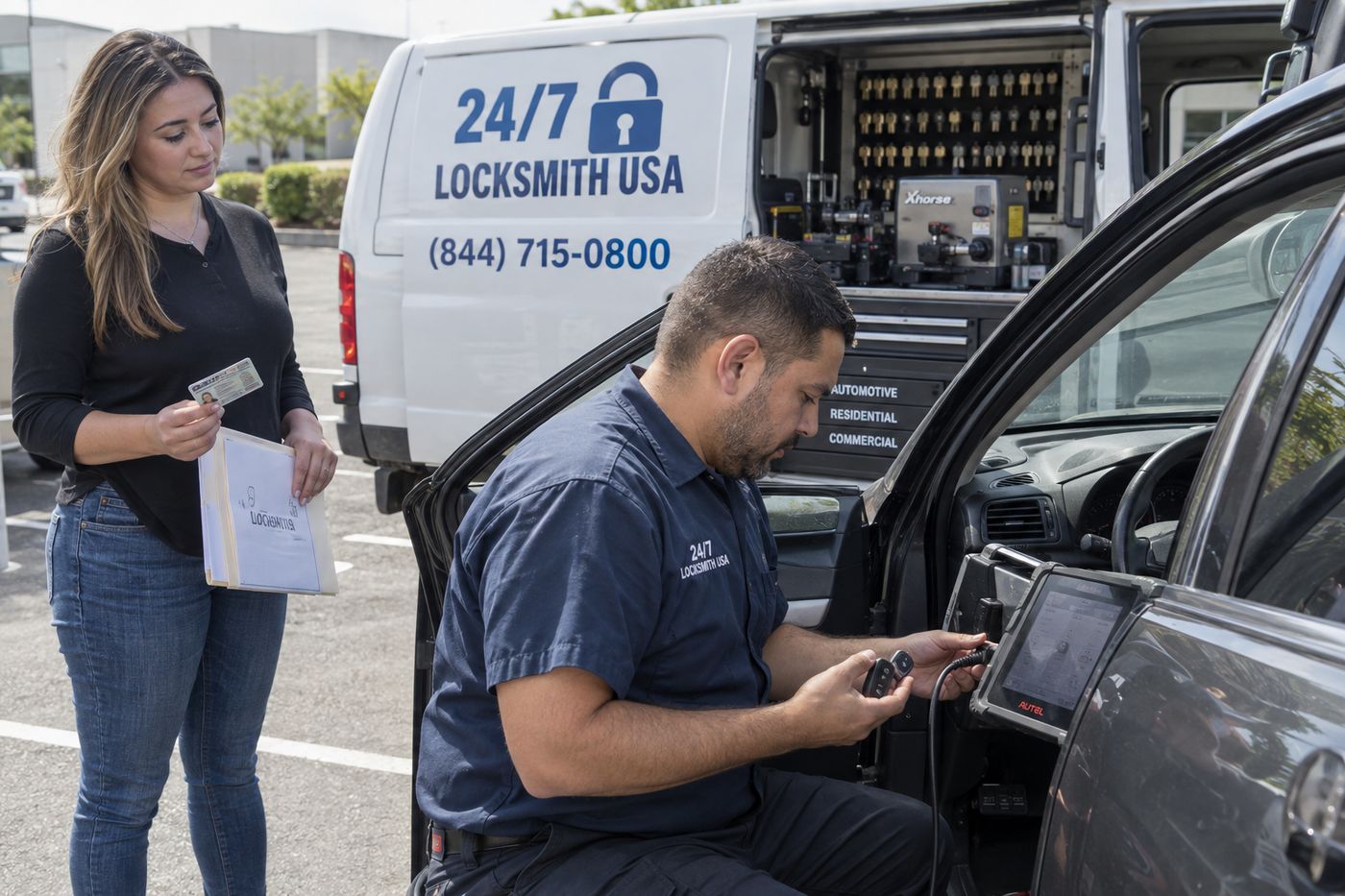
Key service for the snowiest city we cover.
Origination, coding and cylinder repair carried to hill streets, permit lots and snowed-in curbs.
All-Keys-Lost Key Building
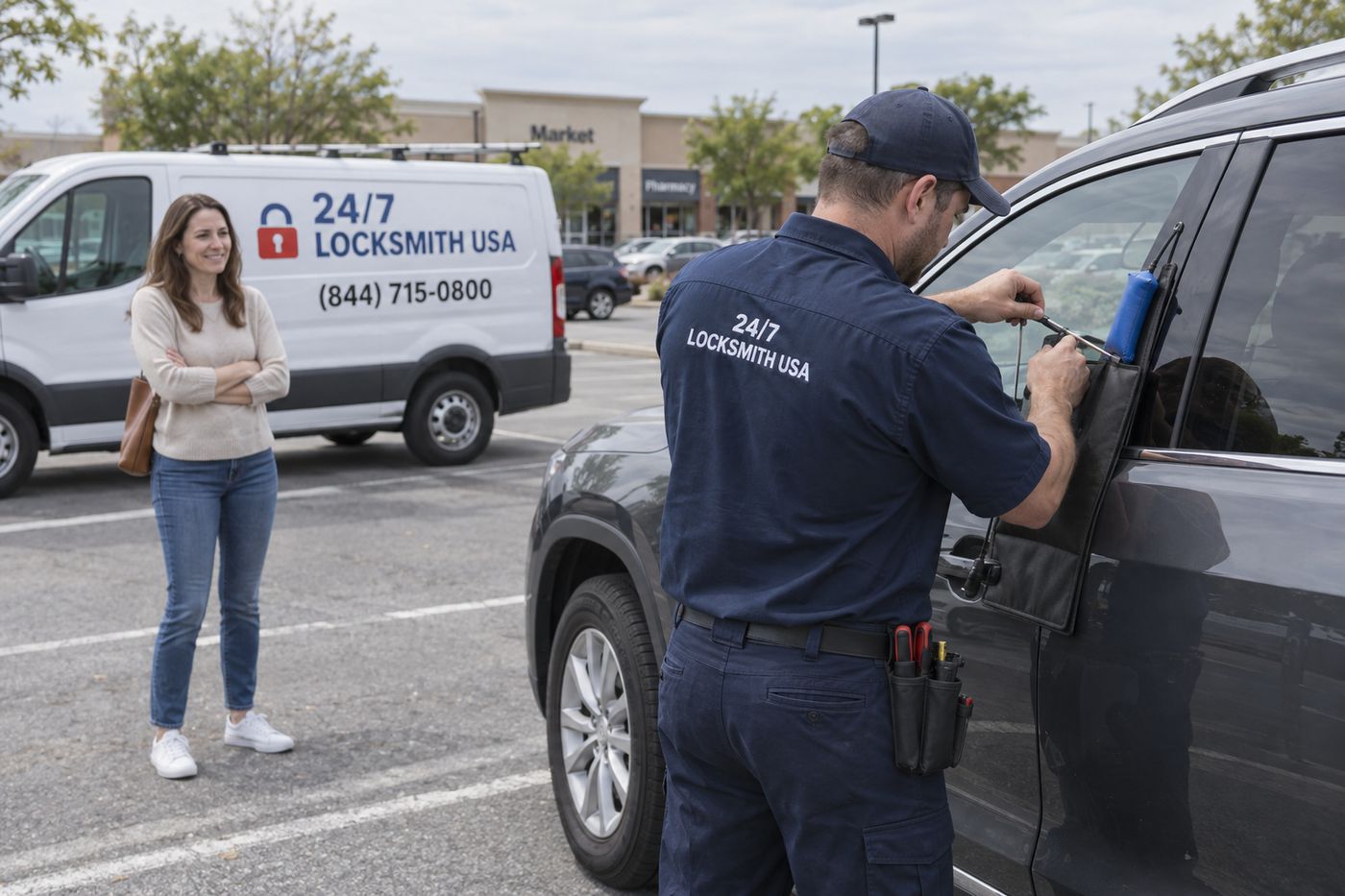
A key lost in a Syracuse drift stays lost, so we originate a new one at the vehicle.
Long-Idle Fob Programming
Remotes dead after a car stood through winter break get replaced and paired on the spot.
Salted-Cylinder Repair
Door locks packed with slush and salt are freed, rebuilt or replaced where you parked.
Ignition Cylinder Work
Ignitions that bind in the cold get serviced so the key turns without forcing it.
Snapped Key Extraction
Forced blades break on hill-street mornings, and we pull the fragment and cut fresh.
Proximity Key Coding
Push-to-start keys programmed in a permit lot with no tow through an unplowed block.
Snow bands, salt and Syracuse ignitions.
Snow totals here are not a talking point, they are a maintenance schedule. A vehicle parked on a street in Eastwood or on the Tipperary Hill grades gets plowed in repeatedly through a single week, and every pass throws more salted slush against the doors. That slush finds the keyway, dries, and corrodes the wafers until the blade binds, and drivers who force it on a cold morning end up with half a key in the cylinder. The hills add their own trouble, because on the steep streets around the university a car sits nose-down against a curb for months and the low-side door lock takes the worst of the spray. Campus habits contribute too. Students park a car in a permit lot or a side street and leave it standing through a long winter break, and a vehicle that has not been started in four weeks in that climate frequently greets its owner with a remote that no longer transmits. Anything dropped in the snow beside it is out of reach until the melt. We come to the car, whether it is on a hill street, in a permit lot or behind a snowbank, and we build a working key at the vehicle.
Why a cold climate changes how car keys fail
Drivers in Syracuse deal with long stretches of cold, snow and road salt, and all three affect car keys more than most people realize. Cold makes small batteries weaker, so a key fob that worked all autumn may suddenly stop answering in a January parking lot. Salt spray finds its way into door handles and ignition cylinders, and a little grit inside a lock can turn a smooth key into a stiff one.
None of this means your key is ruined. Often the problem is a tired battery, a frozen latch or a worn key that was always on the edge of failing. The trouble is that the symptoms look the same from the driver's seat: you press the button, nothing happens, and snow is falling on your shoulders.
This page is general guidance for people in Syracuse, not a claim about any local neighborhood or business history. It is meant to help you sort out what kind of problem you have, so that when you call a locksmith you can describe it clearly and get an honest quote by phone.
Sorting out what actually went wrong
Before you call anyone, take a minute to decide which of three situations you are in. First, you may have a key that still exists but will not work, because the battery is weak or the key is worn. Second, you may have a key that is locked inside the car or lost somewhere. Third, you may have no working key at all and no spare to copy.
Each situation leads to a different kind of service. A weak fob battery is usually a small repair you can sometimes handle yourself with the help of our key fob battery guide. A locked car is a car lockout job. A lost or destroyed key with no spare is the more involved case, where a technician works from your vehicle identification number and proof of ownership.
Telling the person on the phone which of these you are facing saves time for both of you. It also helps them explain which tools might be needed and what the service call charge covers before anyone is sent out.
- If the fob lights up when you press it but the car does not respond, the battery is probably fine and the problem may be programming.
- If nothing lights up at all, the battery is the first suspect.
- If the key turns in the door but the engine will not start, the immobilizer may not be recognizing the chip.
- If the key will not enter the lock or turn, the key may be worn or bent, or the lock may be dirty or frozen.
Lockouts in snow and slush
A lockout in winter feels different from one in July. You are standing outside in wet shoes, the engine may still be running, and every minute feels longer than it is. The first rule is simple: do not try to force a door or pry at the window with a tool from your trunk, because cold glass and weatherstripping are brittle and a repair bill can easily exceed the lockout itself.
If someone is inside the vehicle, especially a child, an animal or a person who feels unwell, say so immediately when you call. That changes how the situation is handled and you should also consider calling emergency services. Our page on a child or pet locked in a car covers what to do in that moment.
If the car is simply empty and locked, a technician can usually open it without damage using professional tools. Before the door is opened you will be asked to show that the vehicle is yours, typically with photo ID and registration or another document tying you to the car. That step protects you as much as anyone.
If you are parked on a street or in a lot, put on your hazard lights if it is safe, move away from moving traffic and stay where the technician can find you. Snow banks and plowed piles can hide a car from view, so describing the car by color and nearby landmarks you can see right now helps a great deal. Do not leave belongings visible on the seats, and keep your phone with you.
When the lock itself is frozen
Sometimes the key is in your hand and works fine, but the door will not open because moisture has frozen around the latch or inside the cylinder. This is common after freezing rain or a wash followed by a cold night. Pulling hard on a frozen handle can crack the plastic, so be gentle and patient.
Try pressing on the door near the handle to break up thin ice, and use a de icer made for locks if you carry one. Avoid pouring hot water on the glass or the door, since a sudden temperature change can crack a window. If the lock still refuses, our page about a door lock sticking in the cold explains what is happening inside and when to ask for help.
A technician can often loosen a stubborn lock and check whether the cylinder is wearing out. That matters because a cylinder that sticks every winter is usually telling you something about its condition, and replacing it before it fails completely is easier than dealing with it on the worst morning of the year.
Keep in mind that a lock which only fails in cold weather is not always the lock. A door can also stick because the weatherstrip has frozen to the frame, and that is solved by gently releasing the seal rather than by working the key. If you hear the lock motor click but the door stays shut, the latch is probably iced, not broken. Take a breath and try another door before assuming the worst.
Lost keys and the information you will need
Losing every key to a car is stressful, but the process is more orderly than most people expect. The technician needs to know the make, model and year of the vehicle, and the vehicle identification number, which is usually visible through the windshield on the dashboard side and printed on your registration and insurance card. Our guide to finding your VIN shows the common places to look.
You will also need proof that you have the right to a new key. That generally means a photo ID that matches the registration or title. If the car is financed or leased, the paperwork may name another party, and you should read our notes on leased and financed car keys before the visit.
If you have no spare at all, the job is categorized as all keys lost, and it takes more steps than copying an existing key. The key is cut to the vehicle's code, and the chip or fob is programmed so the car accepts it. Ask on the phone whether the work will be done where the car is parked, because that can save you from towing.
Be honest about the state of the car too. If the ignition is damaged, the steering column is locked or the vehicle has been sitting for weeks, say so, because those details change the plan. A technician who knows the whole picture can bring the right equipment the first time and give you a quote that holds up once the work begins.
Key fobs, chips and programming
Most cars from the past couple of decades contain a small transponder chip inside the key head. The car sends a signal, the chip answers with the correct code, and only then will the engine run. A key that is cut perfectly but has no matching chip will turn in the ignition and still not start the car, which surprises many people who tried a hardware store copy.
Push button start cars use a smart key or proximity fob instead, and these are programmed to the car through the onboard computer. Our overview of how car key programming works walks through the idea without technical jargon, and the page on key fob programming describes what the service includes.
A common mistake is buying an unknown fob online and expecting any locksmith to make it work. Some are fine and some are locked to another vehicle or built with poor parts. If you already own one, mention it when you call so the technician can say honestly whether it is worth trying.
It also helps to know whether your car uses a flip key, a plain blade with a chip, or a push button smart key. If you are unsure, our guide on types of car keys shows the common styles side by side, so you can describe yours with confidence when the dispatcher asks.
Why a spare key is worth thinking about before winter
The easiest time to make a spare is when you still have one working key. Copying an existing key is simpler than starting from nothing, and you will not be doing it in the cold while late for something. A spare also gives you a backup if one key is lost, snapped in a lock or damaged by moisture.
If you already have a spare, test it now. Spares left in a drawer for a long time often have dead batteries, or they were never programmed correctly in the first place. Walk to the car, lock it, unlock it, start it and make sure everything responds.
Keep the spare somewhere you can reach but a thief would not think to look. A magnet box under the bumper is a poor idea, and our discussion of keeping a spare in a magnet box explains why. A better plan is a trusted person or a secure spot at home.
Planning for a harsh season
A few small habits go a long way when the weather turns. Replace the fob battery before it dies rather than after, keep a spare key away from your usual bag or coat, and avoid leaving the key in a pocket that gets wet. When you wash the car, dry the door seals and locks with a cloth so moisture does not freeze overnight.
Our seasonal advice in winter lockout prevention gathers these habits in one place. The point is not to be perfect but to remove the common ways a normal day turns into a stranded one.
Also think about the way you carry keys. A heavy ring hanging from the ignition wears the cylinder over time, and a bent or cracked key head is a warning that it may soon break. If your key already feels loose or scratchy, treat it as an early signal and have it looked at.
What a worn key is trying to tell you
Keys do not usually fail without warning. Over months, the cut edges round off, the metal gets thinner, and the key begins to hesitate in the ignition or the door. You might notice that you have to jiggle it, lift the steering wheel slightly while turning, or try the key twice before the engine starts. Those are the habits of a driver whose key is close to the end of its life.
The danger is that a worn key can break off inside the lock, and winter makes that more likely because cold metal and stiff cylinders put extra stress on a thin blade. A broken key is a bigger job than a copy would have been. Pieces must be carefully extracted before anything new can be fitted, and our page on broken key extraction describes that work.
If your key shows any of these signs, make a fresh copy from the original while it still works. A copy made from a badly worn key inherits its flaws, so it is better to cut from the code for your vehicle when possible. Ask the technician whether that approach is available for your car.
One more point is worth remembering. If you keep many keys, charms and a heavy fob on one ring, the weight pulls on the ignition cylinder every time you drive. Removing the extra load is a simple habit that protects the lock, and it takes only a little tidying.
Nearby cities and the wider state
Syracuse sits in central New York, and many drivers travel between it and other upstate cities. If you are away from home and run into trouble, you may find the guidance for Rochester or Buffalo useful, since the same kinds of car key problems appear everywhere.
For a broader picture of how service is arranged across the region, you can read the New York state page. Requirements for vehicles, registration and towing vary, so ask the relevant office or your insurer about anything specific to your situation.
Whatever city you are in, the process is similar: you call, describe the vehicle and location, confirm ownership, and receive a quote by phone with the service call charge explained before dispatch.
How to get ready for the call
Gather what you can before you dial. Know the exact make, model and year, the color, and roughly where the car is parked. Have your photo ID nearby and, if possible, a photo of the registration on your phone. If you can see the VIN through the windshield, write it down.
Our checklist for preparing for a locksmith visit lists a few extras, such as clearing space around the car and keeping your phone charged. If you are in a parking lot, mention the area so the technician can find you.
When you speak with the dispatcher, ask what the service call charge covers and what could change the final quote. That is a normal question, and a reputable company answers it plainly. You can also use our questions to ask before dispatch as a script.
Common questions
Can a locksmith make a new car key in Syracuse if I lost every key?
Yes, in most cases a technician can cut and program a new key when no spare exists. They will need the vehicle identification number and proof that you own the car, usually a photo ID that matches the registration or title. The work is often done where the car is parked, which can avoid a tow, but ask when you call.
My key fob stopped working after a cold night. Is it broken?
Not necessarily. Cold weakens small batteries, and a fob that was marginal in warm weather can fail in the cold. Try replacing the battery first, and hold the key against the start button area if your car has one. If a fresh battery does not help, the fob may need to be reprogrammed.
What should I do if my keys are locked in a running car?
Stay calm, keep clear of traffic and do not try to force the door or window. If a child or animal is inside, call emergency services first. Otherwise call a locksmith, describe the car and your location, and be ready to show ID and registration before the door is opened.
Will the technician need to see proof that the car is mine?
Yes. Ownership or authority is checked before a door is opened or a key is made. A photo ID that matches the registration or title is the usual way. If the vehicle is leased, financed or belongs to an employer, bring whatever paperwork shows you are allowed to have access.
Can I get a quote by phone without the VIN?
You can start the conversation with just the make, model and year, and the dispatcher can usually describe the general kind of work involved. The vehicle identification number is still needed for cutting and programming a new key, so try to find it on the dashboard near the windshield or on your registration.
Is it better to call a locksmith or the dealership for a new key?
Both can do the work, but the experience differs. A dealership may require the car to be brought in and may need an appointment. A locksmith can often travel to the vehicle. Our comparison of dealership and locksmith keys explains the trade offs so you can decide what fits your situation.