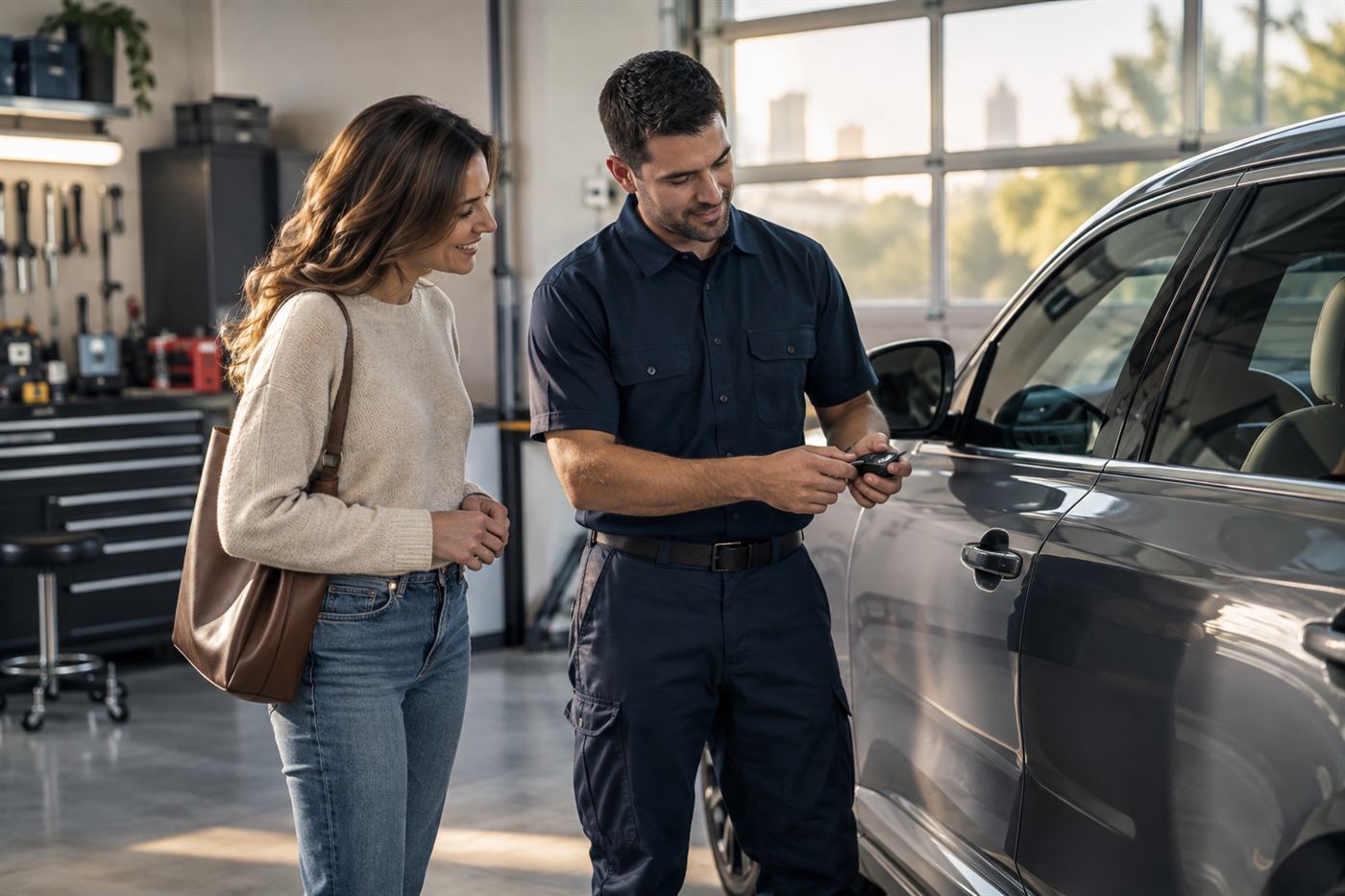
The auto city and the range of vehicles
Few places have as close a bond with cars as Detroit. Drivers here own an unusually wide range of vehicles, from recent trucks and crossovers to older sedans kept running for decades, and plenty of cars bought for the pride of owning a particular nameplate. That variety matters to a locksmith, because the key system on a vehicle depends on its make, model and age.
A vehicle from the era before chip keys may use a simple metal key that can be cut from a code or from the lock. A later vehicle may have a transponder key that needs programming. A recent one may use a proximity smart key, a key card or a phone-based system. The more precisely you can describe the vehicle on the phone, the more clearly the dispatcher can explain what will be needed and quote it.
This site is an AI-assisted information resource for car key and lockout service. The dispatcher explains the service call charge and gives a quote by phone before anyone is sent. We do not promise arrival windows, since traffic, weather and demand change what is realistic, and an honest answer on the phone is better than a promise that cannot be kept.
Harsh winters and what they do to keys
Michigan winters are long and hard, and they make every key problem a little worse. Cold drains small batteries, so a fob that behaved all autumn may start to fail on a frosty morning. Lock cylinders collect moisture that freezes. Door seals stiffen and stick. A car left outside overnight in a deep freeze can refuse to open on the first try.
If a door will not open, do not yank on it. Tearing the weatherstripping is common, and so is bending the door skin. A gentle push to break the ice seal sometimes helps. A lock de-icer made for the purpose can loosen a stiff cylinder. Hot water is a poor idea, because it can crack glass and refreeze into a bigger problem. If a key goes in but will not turn, stop. Pushing harder is how keys break.
Cold also affects the car's own battery. A weak car battery can look like a key problem because the dashboard lights are dim and the starter clicks. A technician can tell the difference by looking at the symptoms. If you think the battery is the cause, mention the clicking or dim lights on the phone. It saves time, and it may save you the cost of a key you did not need.
Older housing stock and aging locks
Detroit's housing ranges from sturdy brick homes and bungalows to larger early twentieth-century houses and newer renovations. Many have old hardware that has been patched over the years. A front door may carry a deadbolt from one decade and a knob set from another, with keys that have been copied several times and no longer fit well.
A worn key in a worn lock is a common recipe for a stuck door. The key catches, the bolt does not throw cleanly, and one day it will not turn at all. The remedy is often simpler than people think: a locksmith can rekey the lock, replace the cylinder or repair the strike. Rekeying makes old keys useless, which is helpful if you have just bought or rented a place and do not know who holds copies.
After a break-in or an attempted one, a lock may be damaged even if it still seems to work. Bent bolts, a split frame and a loosened strike plate all weaken a door. Our page on lock repair after a break-in explains what a technician checks. If a door has been forced, tell the dispatcher, and consider the state of the frame, not only the lock.
Midtown and downtown parking
Midtown, downtown and the neighborhoods around the big hospitals and universities have a mix of street parking, surface lots and structured garages. People commute in, park for a shift or an event, and come back to a car that will not respond. A technician working in these places has to consider traffic, parking enforcement and sometimes tight clearances.
If you are in a garage, give the dispatcher the garage name, the level and the nearest elevator or stairs. If the garage has a height limit, mention it. If you are at a meter or a time-limited space, tell the dispatcher so the plan fits the time you have. If the car is blocking a lane or a ramp, say so, and consider whether an attendant needs to be informed.
Evening and overnight calls bring their own considerations. Wait in a well-lit, public place if you can, and keep your phone charged. Do not accept help from strangers who offer to open the car. A technician you called should confirm the details you gave and tell you the company name and the quote you were given on the phone.
Transponder keys, fobs and the cost of waiting
Most vehicles built in recent decades carry a chip in the key that talks to the car. If that key is lost, the car will not start with a plain copy, even if the blade fits the ignition. A replacement has to be programmed, which requires the right equipment and the right software for the make and model.
That is why a spare key is worth making while one still works. Cloning or adding a key from a working one is usually simpler than starting from nothing. If you have just one key, make a spare now. If you have none, you are looking at an all-keys-lost job, covered in our page on all keys lost service. For a general look at the programming process, see how car key programming works.
Some people try aftermarket keys or remotes bought online for a low figure. Sometimes they work. Sometimes the chip is wrong, the remote cannot be programmed or the cut does not match. If you have bought one, tell the dispatcher what it is and where it came from. A technician can evaluate it and tell you honestly whether it is usable.
Shift workers, night calls and personal safety
Detroit has many people who work odd hours in manufacturing, healthcare, logistics and service. A lockout at the end of a shift, in the dark, in a large lot, is a different experience than one on a sunny afternoon. The priority is safety first, convenience second.
If you are alone and it is late, move to a well-lit area near other people, such as a building entrance with staff or a lit storefront, if you can do so without leaving the car in a hazardous place. Let the dispatcher know where you will be waiting. Ask for the company name, so you can verify the technician when they arrive. If at any point you feel unsafe, call 911.
For regular night workers, keep a spare key somewhere secure and reachable, such as with a trusted friend or relative, and consider keeping a small, charged power bank so your phone does not die in the cold. A lockout is much easier to handle with a working phone and a clear idea of your location.
Rentals, landlords and shared buildings
A large number of Detroit residents rent, whether a flat in a house, a unit in a larger building or a whole house. Lockouts in rentals raise the question of who may authorize work. A tenant may be allowed to call a locksmith for their own door but not to change the lock without the landlord's agreement. A landlord may hold keys and answer calls at all hours, or may not.
If you manage rental property, rekeying between tenants is a straightforward way to improve security. It makes sure old keys no longer work, at a fraction of the work of replacing hardware. Our page on lock rekey service describes what is involved. If you are a tenant, ask your landlord about the process for lost keys before you need it.
Whoever is calling, a technician will ask for identification and proof of authority. That can feel like an obstacle at midnight, but it is the same step that keeps thieves from walking into someone else's home with a locksmith's help.
Spotting a trustworthy locksmith
Unfortunately, bad actors exist in the locksmith business in every large metro area. Warning signs include generic business names, a phone number that does not match a local presence, a very low initial figure that rises sharply on arrival and a technician who insists on drilling a lock without explanation.
Before work begins, ask the technician for the company name and identification and compare them to what the dispatcher told you. Ask for the final figure and have it confirmed. If the story changes, you are entitled to stop. We make no claims about any provider's licensing, so check Michigan and local requirements and ask directly. Our guide to spotting a fake locksmith and the page on verifying credentials give more detail.
A legitimate professional will ask you to prove the vehicle or home is yours. If nobody asks for proof, think about why.
Trucks, vans and work vehicles
Detroit's streets carry a great many pickups, vans and work vehicles, and a lost key on one of them affects more than a commute. A tradesperson locked out of a van cannot reach their tools. A small business owner with a missing key on a delivery vehicle loses a working day. Because these vehicles are often used by more than one person, keys tend to wander, and nobody is sure who last had them.
Work trucks and vans can have key systems that differ from the passenger cars built by the same maker. Some have a plain key for the cab and a separate lock for a toolbox, a rear door or a cargo area. Some use a transponder system that needs programming, and some fleet vehicles have keys that were cut in batches. If you manage several vehicles, keep a written record of which key goes with which unit and where the spares are kept.
For businesses with several vehicles, a clear key control habit prevents most emergencies: one person responsible for the spares, a sign-out sheet for keys and a regular check that every vehicle has a working spare. Read more about truck and van key service and fleet locksmith service. When you call about a work vehicle, give the dispatcher the make, model, year and whether the vehicle has any added locks, so the quote reflects the real job.
What to have ready when you call
Have these details ready, and the call will be quick and the quote clear. They also help the dispatcher decide whether the job can be quoted over the phone or needs an on-site look.
When the technician arrives, expect them to confirm who you are, look at the vehicle or door, explain what they plan to do and restate the quote. If something changes the job, they should stop and explain before going further.
- Your exact location, including street, cross street, garage name and level, or building and unit.
- Vehicle make, model and approximate year, or the lock type on the door.
- Whether the key is metal, chip-headed or a push-button fob, and whether you have a spare.
- Photo identification and registration, title, insurance or a lease that links you to the vehicle or home.
- Whether the car is blocking a lane, a ramp or a driveway.
- Any safety concern, such as a child, a pet or a running engine inside.
Call when you are ready
Detroit's mix of vehicles, weather and housing makes for varied key and lock problems, but the path to a fix is plain. Make sure everyone is safe, gather the details above and call. The dispatcher will explain the service call charge and give a quote by phone before anyone is sent. You may also want to read about car lockout service or the overview of locksmith service in Michigan. When you are ready, call the number on this page and describe what happened.
Questions people ask
Why will my car not start with a copied key?
Most modern keys contain a chip that talks to the car. A copy that matches the blade but lacks a programmed chip may unlock the door but will not start the engine. A locksmith can cut the key and program the chip to your vehicle. Tell the dispatcher the make, model and year when you call.
Is it my key or my car battery?
In cold weather it can be either. Dim dashboard lights or a slow clicking from the starter suggest a weak car battery. A fob that fails while the car is otherwise healthy suggests a fob problem. Describe the symptoms on the phone and the dispatcher can help you tell which one, before you pay for a key you may not need.
I bought a cheap key online and it does not work. What now?
Tell the dispatcher what you bought and from where. Aftermarket keys vary in quality, and some have the wrong chip or cannot be programmed to certain vehicles. A technician can test it and tell you honestly whether it is usable. If it is not, a correct key can be cut and programmed.
I rent and lost my key. Who should I call first?
Call your landlord or property manager, since they may hold a spare or want to arrange the lock change. If you call a locksmith yourself, expect to be asked for identification and proof you live there. Do not force the door or remove it from its hinges, which can cause damage you may be responsible for.
Will I get a firm price before someone is dispatched?
Quotes are given only by phone. The dispatcher explains the service call charge before dispatch and quotes well-defined jobs. Complicated work may need an on-site visit before a final figure. If the quote does not suit you, you can decline before anyone is sent. Be careful if a company changes its figure on arrival.
What should I do if I am alone at night in a large lot?
Move to a lit area near other people if you can do so safely, keep your phone charged and tell the dispatcher where you will wait. Ask for the company name so you can verify the technician. If you feel threatened at any point, call 911 rather than waiting for a locksmith.
Describe the situation by phone and we will tell you what the job involves. Quotes are given by phone. Jobs that cannot be quoted without seeing them need a technician on site, and the service call charge is explained on the phone before anyone is dispatched.
(844) 715-0800Related pages
Written by Claude (AI) (AI) for 24/7 Locksmith USA.