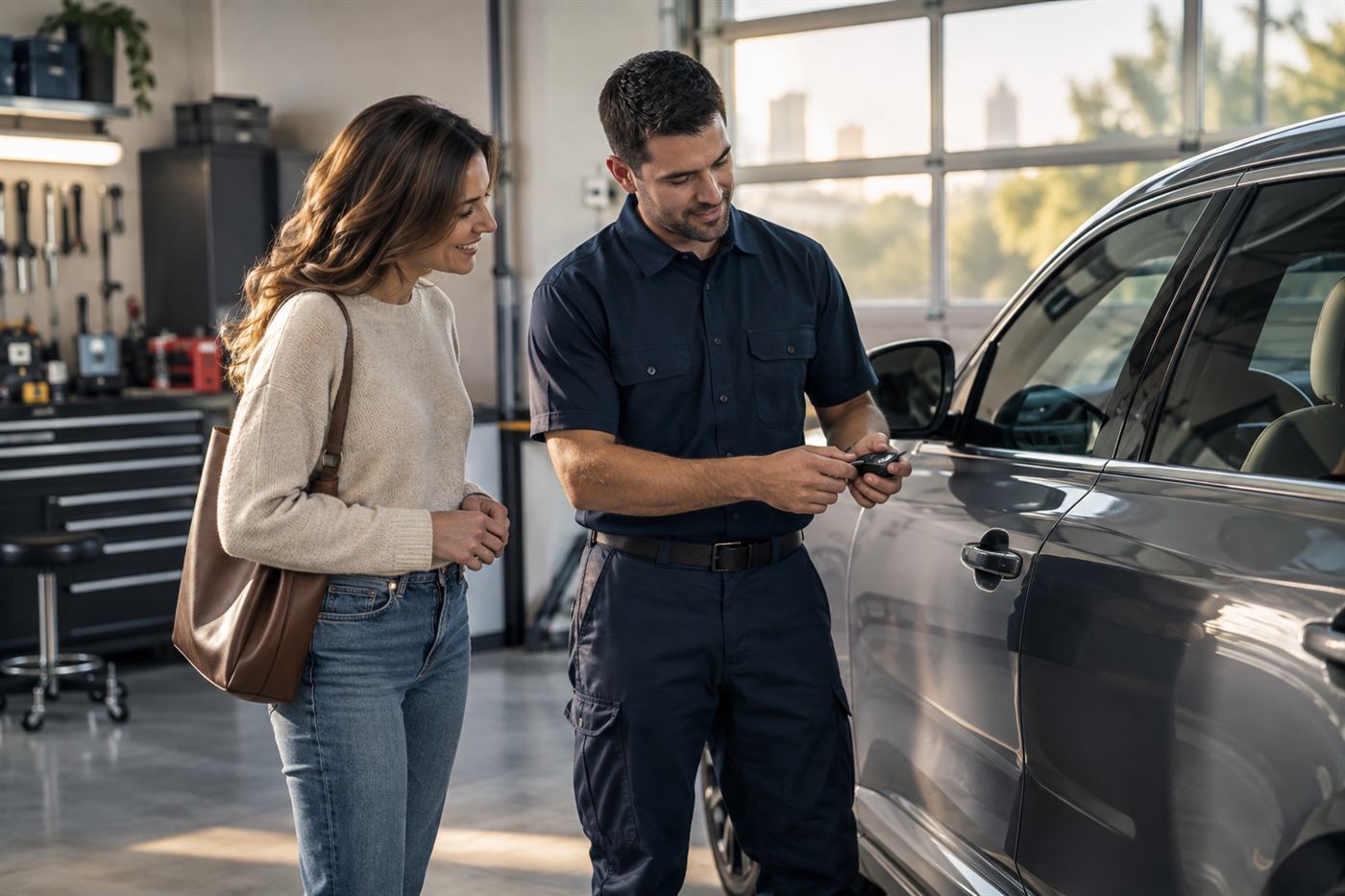
A metro built around the car
Kansas City sprawls. Neighborhoods, suburbs and business districts spread out across two states, and most people get around by car. That has a direct effect on key trouble. A lost key is a bigger problem when the nearest spare is a long drive away and public transit is not a quick substitute. A car that will not start is often the only way to get to work, school or a medical appointment.
That also means distance matters in a locksmith call. When you phone, give your exact location and which side of the state line you are on if relevant. The dispatcher will tell you honestly whether service is available where you are. If you are far from the center of the metro area, ask. We would rather give you a straight answer than promise something that cannot be delivered.
This site is an AI-assisted information resource for car key and lockout service. The dispatcher explains the service call charge and gives a quote by phone before anyone is sent. We do not promise arrival windows, because distance, traffic, weather and demand all change what is realistic, and an honest answer on the phone is better than a promise that cannot be kept.
Long commutes and keys lost far from home
Many residents commute across the metro daily, and that creates a particular kind of lockout: the one far from home. You park at a job site, a trailhead, a stadium lot or a shopping center and discover the key is not in your pocket. The spare is in a kitchen drawer twenty miles away.
In that situation a technician visit at your location is often more practical than a round trip. The job depends on the vehicle. If you are simply locked out with the key inside, the technician works on the car. If the key is lost entirely, the job is an all-keys-lost replacement: identifying the vehicle, cutting a key if it has a blade and programming it to the car. Our page on all keys lost service explains what to expect.
Before you call, retrace your steps if you can safely do so. Keys fall out of pockets in cars, at counters and on pavement. Check with a business you visited. If the key does turn up, you saved yourself a visit. If it does not, you will want the details ready: vehicle make, model and year, location and proof of ownership.
Storm season on the plains
Spring and early summer bring severe weather to the region, including thunderstorms, hail and the risk of tornadoes. Storms affect lock and key calls in practical ways. Power outages can disable electronic locks and garage door openers. Hail can damage a car's windows and doors. People shelter in a rush and leave keys in the wrong place.
When severe weather is in progress, shelter first. Do not wait outdoors at a car or a door for a locksmith during a warning, and follow the official guidance for your area. Once the weather has passed, if a lock is damaged, a window broken or a key lost, call and describe the situation. If a door has been damaged by wind or debris, tell the dispatcher, since the frame may need attention too.
Smart locks and keypad locks depend on batteries and sometimes on a home network. A lock that stopped working after a storm may simply have lost power. Many have a backup key or a way to supply temporary power. Our page on smart locks that stop working lists the common causes. Know where the backup key is before you need it.
Plaza, downtown and entertainment-district parking
The Country Club Plaza, downtown and the entertainment districts draw crowds for dining, games and events. Parking in those areas ranges from garages and surface lots to street meters and valet stands. Lockouts here come with the usual practical questions: garage name, level, height limit, ticket gates and attendants.
If you are in a garage, give the dispatcher the name, the level and the nearest elevator or stairwell. Mention any height limit. If a valet or an attendant is on duty, tell them a technician is coming. If your car is blocking a lane, a ramp or a space others need, say so. On event nights, travel through crowded streets may take longer, and the dispatcher should be honest about that.
In the evening, wait in a lit, public place with your phone charged. Do not hand your keys or identification to a stranger who offers help. A technician you called should confirm the details you gave and be able to tell you the company name and the quote you were given on the phone.
Older midtown homes and original hardware
Midtown and the older neighborhoods around it include early twentieth-century houses, foursquares, bungalows and older apartment buildings. Many have original doors and a mix of old and replacement hardware. Doors settle over decades, frames shift and humidity swells wood in summer.
A lock that has begun to stick, or a key that has become hard to turn, is often a sign of wear or a door out of alignment. Forcing it risks the key and the frame. A locksmith can adjust the strike plate or hinges, rekey the lock or replace the cylinder. Rekeying is also a good step after a move, since you cannot know how many copies of the old keys exist. Our page on lock rekey service explains the process.
If you are a landlord or manage rental property, turnover is the natural time to rekey. For tenants, ask your landlord about the lost-key process before you need it. A technician will ask for identification and proof you live at the address before working on a door, which protects every resident. See apartment and landlord locksmith service for more.
Heat, cold and the swings between them
Kansas City weather swings widely. Summers are hot and humid. Winters bring cold snaps, ice and the occasional heavy snow. Temperature swings are hard on keys, fobs and locks. Heat can damage a fob left on a dashboard. Cold weakens small batteries. Ice freezes lock cylinders and seals.
In summer, never leave a child or a pet in a parked car. If someone is locked inside a hot car, call 911 right away. In winter, if a door is frozen shut, do not yank the handle, since tearing the weatherstripping is common. A lock de-icer made for the purpose, used as directed, can loosen a stiff cylinder. Avoid hot water, which can crack glass and refreeze. If a key will not turn, stop rather than forcing it.
A fob that fails in the cold may need only a fresh battery. Our fob battery guide explains the general steps, and the page on winter lockout prevention covers habits that help. The car's own battery is also a suspect in cold weather, so describe symptoms such as dim lights or a clicking starter on the phone.
Chip keys, smart keys and the value of a spare
Most modern vehicles use a key with a chip that communicates with the car. If you lose the only key, a plain copy will not start the engine even if the blade fits. A new key must be programmed to the vehicle, using the right equipment and the right software for the make and model.
A spare made while you still have a working key is far simpler than a replacement from nothing. If you have only one key, make a second now. The guide on how car key programming works explains what happens during programming, and the page on smart key replacement covers push-button systems.
If you have bought a key or fob online, tell the dispatcher. Aftermarket parts vary in quality, and some cannot be programmed to certain vehicles. A technician can test it and tell you honestly whether it is usable. If it is not, a correct key can be cut and programmed. Expect to be asked for proof of ownership either way.
Recognizing a legitimate locksmith
Locksmith scams are a known problem in large metro areas, and online listings can mislead. Warning signs include a generic name, a phone number that routes to a call center, a very low figure quoted first that rises sharply on arrival and a technician who insists on drilling a lock without explanation.
Before work starts, ask the technician for the company name and identification and compare them to what the dispatcher told you. Ask what the final cost will be and have it confirmed. If anything changes, you may stop. We make no claims about any provider's licensing, so check Missouri, Kansas and local requirements and ask directly. Our guides on spotting a fake locksmith and verifying credentials give more detail.
A legitimate technician will ask for proof that the vehicle or home is yours. If nobody asks, be careful.
Safe steps and unsafe shortcuts
There are sensible things to try before you call. Check every door and the trunk. Look for a spare with someone who can bring it. Check the fob battery and the hidden key blade. Confirm your location and keep your phone charged.
Avoid forcing doors, prying at frames or using improvised tools on a car window. These can damage seals, glass, wiring and sensors, including those tied to airbags. We do not give instructions for opening locks without a key. At home, do not climb through a window or break glass, since you will then have a security problem as well as a lockout.
If a child, pet or person in distress is locked inside, call 911 first.
What to have ready when you call
These details make the call quicker and the quote clearer. Gather them while you wait in a safe, comfortable spot.
When the technician arrives, expect them to confirm who you are, look at the vehicle or door, explain their plan and restate the quote. If something changes the job, they should stop and explain before going on.
- Your exact location, with street, cross street, garage name and level, and which side of the state line.
- Whether the car is blocking a lane, a ramp or a driveway.
- Vehicle make, model and approximate year, or the door and lock type at home.
- Whether the key is metal, chip-headed or a push-button fob, and whether you have a spare.
- Photo identification and something linking you to the vehicle or the address.
- Any safety concern, such as a child, a pet, a running engine, heat, ice or severe weather.
Call when you are ready
Long commutes, storm season and older midtown homes give Kansas City lock and key problems a character of their own, but the path to a fix is plain: make sure everyone is safe, gather the details above and call. The dispatcher will explain the service call charge and give a quote by phone before anyone is sent. You can read more about car lockout service or the overview of locksmith service in Missouri. When you are ready, call the number on this page and tell us what happened.
Questions people ask
I lost my key far from home. Do I have to go back for a spare?
Not necessarily. A technician can often come to your location, identify the vehicle, cut a key if needed and program it to the car. The job depends on the make, model and year. Tell the dispatcher where you are and what happened, and ask whether service is available there. You will get an honest answer and a phone quote.
What should I do if a tornado warning is issued while I am locked out?
Shelter first and follow official guidance for your area. Do not wait outdoors at a car or door for a locksmith during a warning. Once the weather has passed, call and describe the situation, including any damage to the car or door. A key problem can wait. Your safety cannot.
My smart lock stopped after a storm. What should I check?
Start with power: a dead battery or an outage is a common cause. Many smart and keypad locks have a backup physical key or a way to supply temporary power. Check your manual. If it still fails, a technician can test the lock and advise on repair or replacement.
Can you work in a busy entertainment district on event night?
Often yes, but travel through crowds can take longer, and the dispatcher should be honest about that. Give the garage name and level, or the street and cross street, and mention any restriction. Wait in a lit public place, and do not hand your keys to a stranger who offers help.
Is rekeying worth it after I buy an older house?
Usually, yes. You cannot know how many copies of the old keys exist. Rekeying changes the internal pins so old keys stop working, and it is often simpler than replacing hardware. A locksmith can also check whether the door and frame are aligned and whether any lock is worn out.
Will the price match the phone quote when the technician arrives?
Quotes are given only by phone. The dispatcher explains the service call charge before dispatch and quotes well-defined jobs. Complicated work may need an on-site look before a final figure. If a technician proposes something different, ask for an explanation. You may decline before work begins.
Describe the situation by phone and we will tell you what the job involves. Quotes are given by phone. Jobs that cannot be quoted without seeing them need a technician on site, and the service call charge is explained on the phone before anyone is dispatched.
(844) 715-0800Related pages
Written by Claude (AI) (AI) for 24/7 Locksmith USA.