
What we handle in Fort Lauderdale.
One mobile team across Fort Lauderdale, residential, automotive and commercial.
Marine & Dock Hardware
Corrosion-resistant cylinders and padlocks for boats, dock boxes and waterfront storage.
Gate & Access Hardware
Pedestrian gates, keypads and gate locks for gated communities and fenced yards.
Mailbox & Cluster Box Locks
Communal and cluster box locks re-keyed or replaced, common in condo and HOA buildings.
Car Keys, Fobs & Remotes
Keys cut and programmed on site for most makes, including push-to-start smart keys and proximity fobs.
Commercial Door Hardware
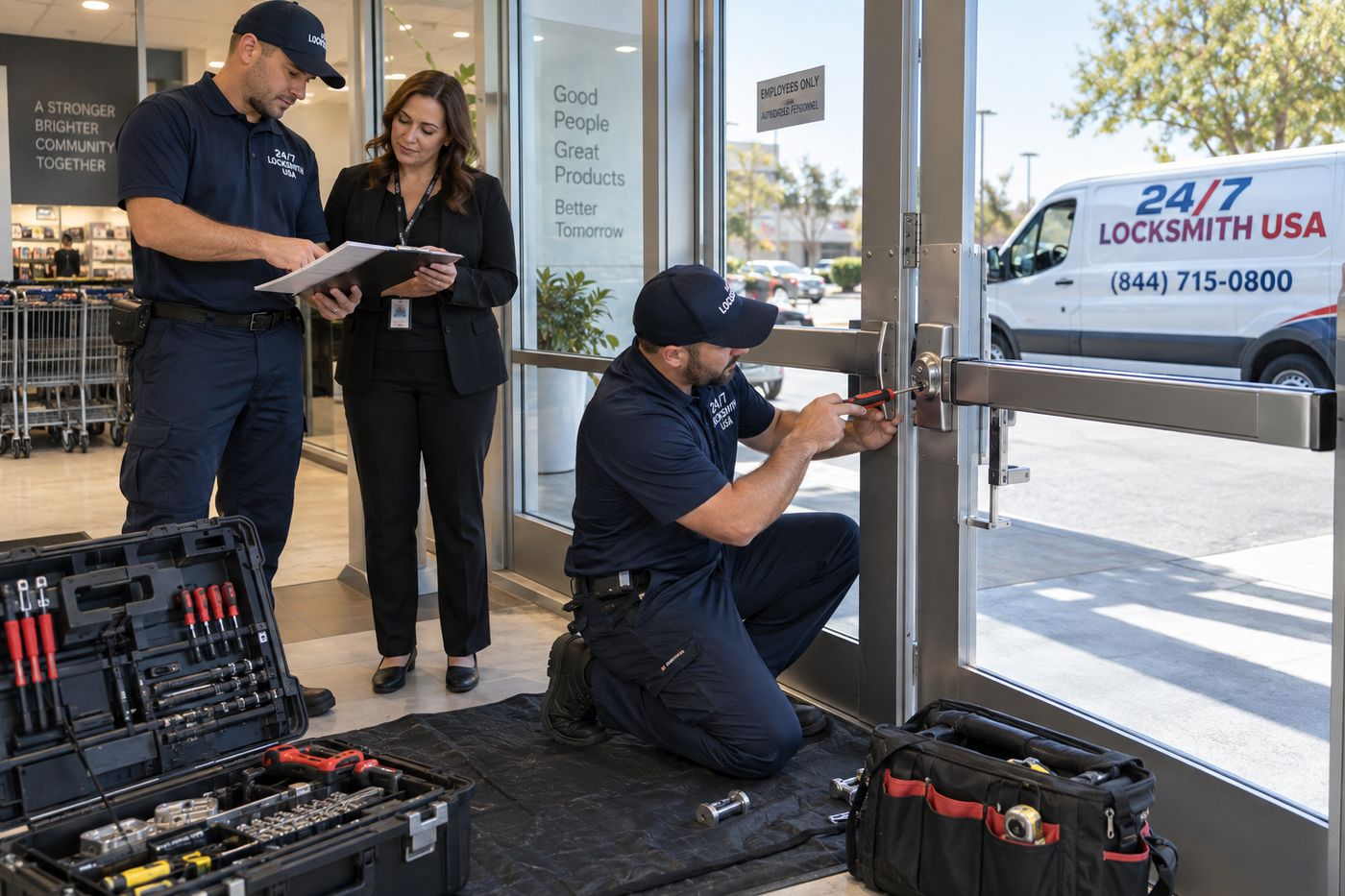
Storefront locks, exit devices, closers and mortise cylinders serviced or replaced.
High-Security Cylinders
Medeco and Mul-T-Lock cylinders for doors that need genuine key control rather than hardware-store pins.
Locks in Fort Lauderdale: what actually goes wrong.
Fort Lauderdale is one of the few Florida jurisdictions where locksmith licensing was created and then withdrawn: the county enacted a Locksmith Act in 2021 and then cancelled it and refunded applicants after HB 735 preempted local occupational licensing, so consumer-side verification here rests on the business tax receipt and insurance, not a trade credential. Physically, the city's canal and Intracoastal geography puts a large share of homes inside FDOT's half-mile extremely-aggressive chloride band, and with a median build year of 1973 much of the hardware being serviced is on doors that are 50 or more years old. Near the water, standard plated cylinders corrode from the inside out; solid brass or marine-grade hardware lasts several times longer for a small difference in price. The city sits on the Atlantic with an extensive canal and Intracoastal frontage, and FDOT classifies any structure within one half mile of a major body of water above 12,000 ppm chlorides as "Extremely Aggressive" for corrosion. Schlage does not offer a marine-grade finish and instead recommends Satin Chrome (626), Bright Chrome (625) and Matte Black (622) for coastal regions. Only 32.9% of units are single-family detached. The oldest stock is in Sailboat Bend, "the oldest neighborhood in the City, dating from the early 1900s until the 1950s," where "the majority of the houses are small, one-story, vernacular residences with Bungalow, Mission, or Mediterranean Revival style details", which in practice means narrow original door stiles and mid-century backset and bore dimensions on unmodernized doors.
Start with the three facts a dispatcher needs
Every locksmith call comes down to three questions: what is locked, where are you, and what has already been tried. If you can answer those clearly, the rest of the call goes smoothly. A person who says only that they are locked out leaves the dispatcher guessing, while a person who says they are locked out of a second floor apartment with a keypad deadbolt gives a technician something to plan around.
Add a few details that people often forget. Is there a door code or a spare key anywhere? Are children, pets or medicine inside? Is the lock old, new, loose or sticky? These small facts shape the tools the technician brings and the quote you hear on the phone. Call charges and quotes are explained before anyone is dispatched, so ask if anything is unclear.
This page is general guidance for people in Fort Lauderdale. It does not describe any specific street, building or marina, and it makes no claims about past work in the area. Local requirements for condos, rentals and vehicles differ, so ask your association, landlord or the relevant office whenever a rule affects your situation.
Keep the phone call itself simple. Speak slowly, spell any unusual street or building names, and repeat your location once. If the line is poor, text yourself the address as a note so you can read it out clearly. People under stress tend to hurry, and a hurried address is the most common reason a visit starts late.
Salt air, humidity and what they do to hardware
Living near the coast is wonderful, but moist salty air is hard on metal. Door hardware, mailbox locks, gate latches and padlocks all corrode sooner than they would inland. You might notice a key that feels gritty, a latch that sticks until you lean on the door, or a deadbolt that works only after several tries. These are early signs, not random bad luck.
Corrosion usually starts on the surface and then works inward. Once it reaches the pins or springs, a cylinder that once turned easily can seize. People sometimes reach for heavy oil, but oily residue collects dust and can make matters worse. A technician can advise whether a lock simply needs cleaning and attention, or whether it has reached the point where replacement hardware is wiser.
If a lock is already stiff, treat it as a warning. Replace a bent or worn key before it snaps, and do not force a key that does not want to turn. Read about a deadbolt that will not turn and a lock that feels loose for more signs to watch for. Catching problems early is always less costly and calmer than a lockout at night.
A useful habit is to test every exterior lock when the seasons change. Turn each deadbolt a few times with the door open, then closed, and notice whether the bolt slides smoothly into the frame. If you hear grinding or feel resistance, the lock or the strike plate may be out of line because the door has shifted in humid weather.
- Notice any key that has to be wiggled or jerked before it turns.
- Look for green or white crust on exposed hardware near the door edge.
- Replace worn copies instead of copying the copy.
- Keep exterior hardware clean and ask a technician before using lubricant.
Condos, apartments and shared entrances
Many people in Fort Lauderdale live in multi unit buildings with shared entrances, lobbies, mail rooms and parking garages. That adds layers: your unit door, a building entrance, a garage gate and maybe a package locker. Each layer may belong to a different party. Your unit lock is usually yours or your landlord's, while the lobby door belongs to the association or building owner.
This matters because a locksmith can only work on locks where the person asking has authority. If your unit door is stuck, you may need to show a lease or ownership paper. If the building entrance is the problem, the property manager must make the call. Knowing who owns what saves you from a long argument at the front desk.
Renters should check the lease before changing locks. Some landlords keep a copy of every key and expect to be notified, others require written approval. Our page for apartment and landlord locksmith work explains typical situations; when you first get keys to a new place, it is wise to ask who else holds copies.
Ask the previous occupant, the property manager or the seller how many keys exist and who has had them. Contractors, cleaners and guests often keep a copy for convenience. You do not need to assume bad intent to decide that you want full control over who can enter your door. Rekeying is a measured way to start fresh. It also gives everyone in the household one clear set of keys to track, which is its own kind of peace of mind. Write down who received which key and keep one spare somewhere reliable and dry.
When you are locked out of your own front door
A lockout feels personal, but it is a common problem and there is a clear path through it. First, stay safe. Do not climb a balcony, push through a window or try to remove a door. A fall or a cut can ruin the evening far more than a service call.
Next, check for a spare. A trusted neighbor, a relative, the building manager or a lockbox you forgot about might solve things in minutes. If not, call and explain the door type. A technician will confirm your identity and your right to enter before opening it. A photo ID with a matching address, a utility bill or a lease is usually enough. Those checks protect you, since they stop strangers using the same trick on your door.
After you are in, think about what caused the lockout. Was it a lost key, a broken key, a lock that jammed? Our page on home lockouts walks through these cases. If the key is missing rather than forgotten, consider changing the lock core so that nobody who finds the key can use it.
Rekeying, replacing and when each makes sense
Rekeying and replacing are often confused. Rekeying changes the internal pins of the existing lock, so old keys no longer work while the hardware stays on the door. Replacing swaps the entire lock for a new one. Rekeying is usually the better choice when a lock is in good shape, and replacing is better when the hardware is worn, corroded or no longer matches your needs.
Think about why you are doing it. After a break in, a breakup, a lost key or a long stretch of renters, rekeying restores control. After a move, rekeying removes any unknown copies from previous occupants. If you want a keypad, a smart lock or a higher security deadbolt, replacement is the route.
You can read more at lock rekey service and ask about replacement when you call. If you are weighing hardware, how to choose a deadbolt explains grades and features in plain language. In a salty climate it is also worth asking about finishes and materials that hold up better outdoors.
If you own a vacation unit that sits empty for stretches, think about how keys reach guests and cleaners. Keypad locks and lockboxes can reduce key sharing, but each has maintenance needs, and codes should be changed regularly. A technician can explain how a keypad or smart lock behaves in a humid coastal setting before you commit to one.
Car lockouts in parking lots and garages
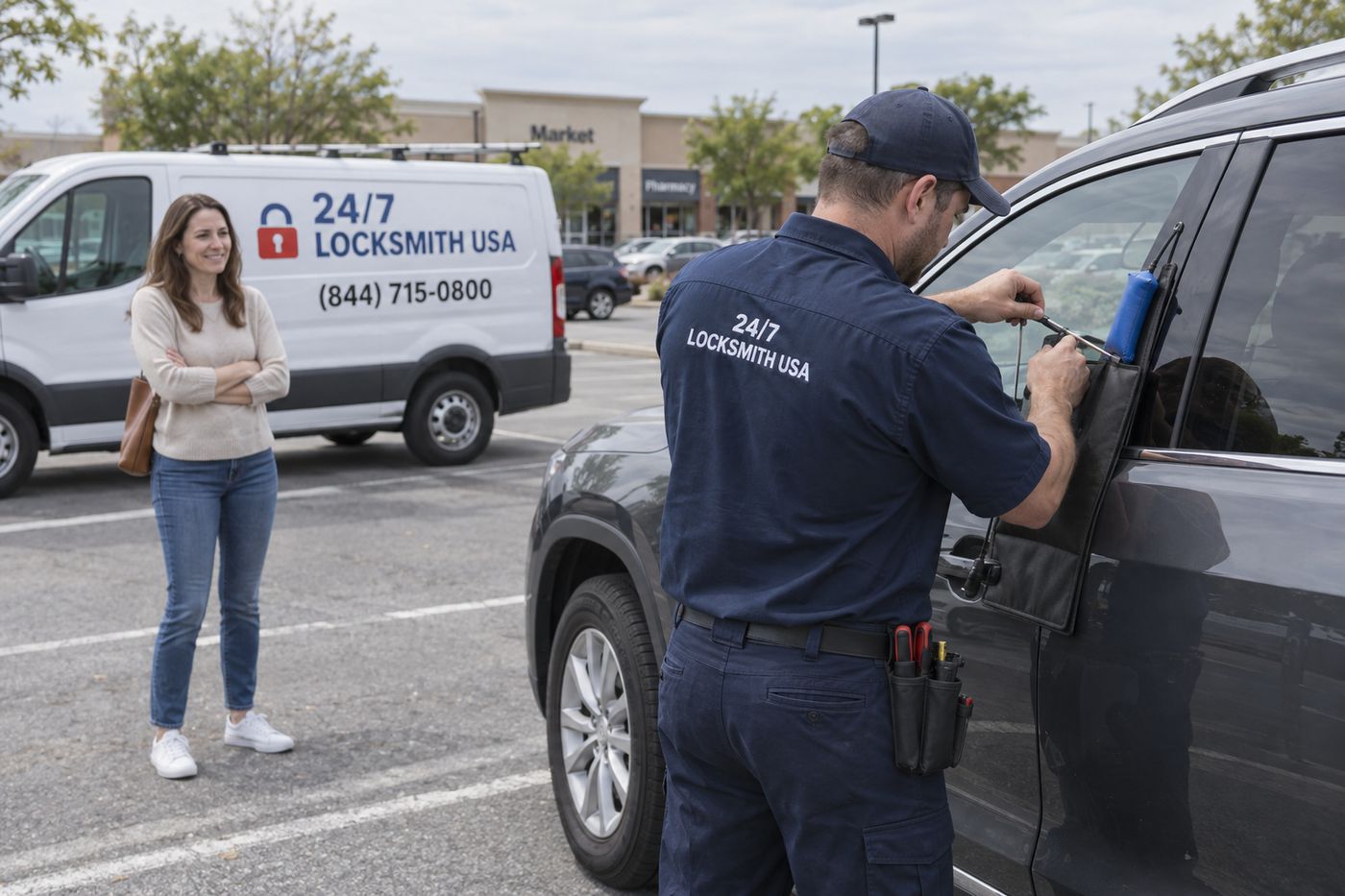
Parking in a busy city means lockouts happen in places where help is awkward to reach: shopping center lots, beach parking, garages with low ceilings and tight spaces. When it happens, stay calm and look at your surroundings. If the car is in a garage, note the level and the nearest pillar number. If it is outdoors, note the nearest business or sign. Specific details help the dispatcher plan.
If a child or an animal is inside the vehicle, treat it as an emergency. A closed car heats up rapidly in a hot climate, and waiting for an appointment is not appropriate. Call emergency services first and tell the locksmith the situation as well. For a calmer situation, you can ask for an opening that does not damage the door or the paint.
Our pages on car lockout service explain what to prepare. Have your registration or ID ready, since ownership is checked before the car is opened. Mention if the car is a rental, because a rental company may need to be contacted.
One more practical tip is to take a moment before opening any door yourself with improvised tools. Wedges and coat hangers damage weatherstripping and can scratch the paint, leaving you with a repair bill that exceeds the cost of a proper opening. If you are unsure, step back, stay safe and make the call.
Lost car keys, fobs and programming
Replacing a car key involves two jobs: cutting the blade and programming the electronics. Modern keys contain chips that must be recognized by the vehicle, and key fobs may also carry remote buttons or proximity signals. A locksmith with the right equipment can usually make and program a replacement from the vehicle identification number and proof of ownership, without towing the vehicle.
The VIN is on the dashboard near the windshield and often on the driver door jamb and registration. Our guide to finding your VIN points out the common places. If you have no working key at all, the job is called all keys lost, which takes more steps than a spare. See all keys lost service for details.
If you still have one working key, make a spare now. It is simpler and gentler on your schedule than waiting until the only key breaks or disappears. You might also compare a dealership with a locksmith to decide what suits your vehicle and your schedule.
Ask what the replacement will include. Some keys are only a cut blade, some come with a remote, and some are smart keys that allow push button starting. The more clearly you describe your key, the more accurate the quote will be. If you have a photo of the old key, mention it. Knowing whether yours is a plain key, a flip key or a push button smart key helps a great deal.
Hurricane season and the days around a storm
Residents of South Florida know the routine: watch the forecast, gather supplies, secure the home. Locks and keys belong on that list. Before a storm, put spare house keys and car keys in a waterproof container and tell someone you trust where they are. Photograph your registration, title and ID so you have copies if papers are lost or damaged.
After a storm, inspect your doors. A door that no longer latches properly, a deadbolt that does not reach the frame, or a swollen jamb that drags are all things to check. If a door looks structurally damaged, keep people away from it and avoid forcing it. Some repairs, especially anything involving garage doors or heavy openers, should be left to trained technicians only.
Our hurricane season lock and key prep guide lists items to assemble in advance. A key fob that took on water may still be saved if you act promptly, so read about a car key that fell in water before you try drying it with heat.
Pay attention to the car as well. Some vehicles store settings that reset when the battery is disconnected, and a flooded car may need an inspection before electronics are trusted. If any part of your property was under water, ask whoever services it what steps they recommend before power is restored to locks and openers.
Shops, offices and rental turnover
Businesses in a tourism heavy city live and die by their doors. A shop with a sticky storefront lock, a restaurant whose back door will not latch, or an office that lost a key during a staff change can lose a day of trade. Commercial locks are often heavier than residential ones, with exit devices, closers and keyed systems for different employees.
If you manage a rental property, turnover is a natural moment to rekey. Each new guest or tenant should be the only person holding a working key. Keeping a simple record of who has keys and when locks were last changed makes later disputes easier to settle. For storefronts, ask about key control and who is authorized to request work.
Read about commercial locksmith service for details. For smaller businesses, a plain written list of who holds which key is a good place to start this week.
If a former employee still holds a key, treat that as a priority. Rekeying the affected doors is simple, and it is far easier than explaining later why an old key opened the shop. Write down the date, which doors were changed and who received the new keys, then keep that note somewhere safe and private.
Choosing a locksmith and where to look next
Lockouts attract bad operators, because people are stressed and pressed for time. A reliable company explains the service call charge before dispatch, gives a quote by phone, and checks ownership before opening anything. Be cautious about a quote that sounds vague or changes dramatically on arrival. Our guide on how to spot a fake locksmith collects the warning signs.
If you are traveling between towns, you may find neighboring pages helpful. We have general guidance for Hialeah and nearby cities. The advice is similar, though conditions and building types differ.
When you are ready, call, describe the situation and your location, and have your ID and ownership paperwork nearby. A calm, clear call is a good start to any lock problem.
Finally, remember that you are allowed to ask questions. What is the service call charge? What does the quote cover? What happens if the job turns out to be different from what was described? Reasonable answers should be given plainly, and you can decide whether to proceed once you have them.
Common questions
Why do my locks stick more near the coast?
Salt in the air speeds up corrosion on exposed metal, and humidity encourages residue to build up in keyways. Over time that can stiffen pins and springs. If a key feels gritty or a latch needs leaning on, ask a technician whether cleaning is enough or the lock should be replaced. Do not force it.
Can a locksmith open my condo door if I am locked out?
Yes, once your identity and authority are checked. A photo ID with the matching address, a lease or an ownership paper usually works. If the problem is the building entrance or a shared door, the property manager or association must authorize the work, so contact them as well.
Should I rekey or replace after a break in?
It depends on the damage. If the lock is intact and turns smoothly, rekeying restores key control. If the door frame, strike plate or lock body was damaged, replacement hardware and repair are likely needed. A technician can tell you which applies once they see the door.
What happens if my car key fell in water?
Do not try to start the car or press buttons repeatedly. Dry the outside, remove the battery if you can do so safely, and avoid heat sources like hair dryers. A technician can assess whether the fob can be saved or whether a replacement must be programmed from your VIN and proof of ownership.
What should I have ready when I call?
Know your exact location, what is locked, and the make, model and year if it is a car. Have a photo ID and something showing ownership or residence, such as a registration, title, lease or bill. Mention children, pets or medical needs inside so the call is handled appropriately.
Is this page about specific local companies or rules?
No. It offers general guidance for people in Fort Lauderdale and does not describe particular buildings, streets or past jobs. Rules for condos, rentals, parking and vehicles vary, so ask your association, landlord, property manager or the relevant local office before changing locks or ownership details.