
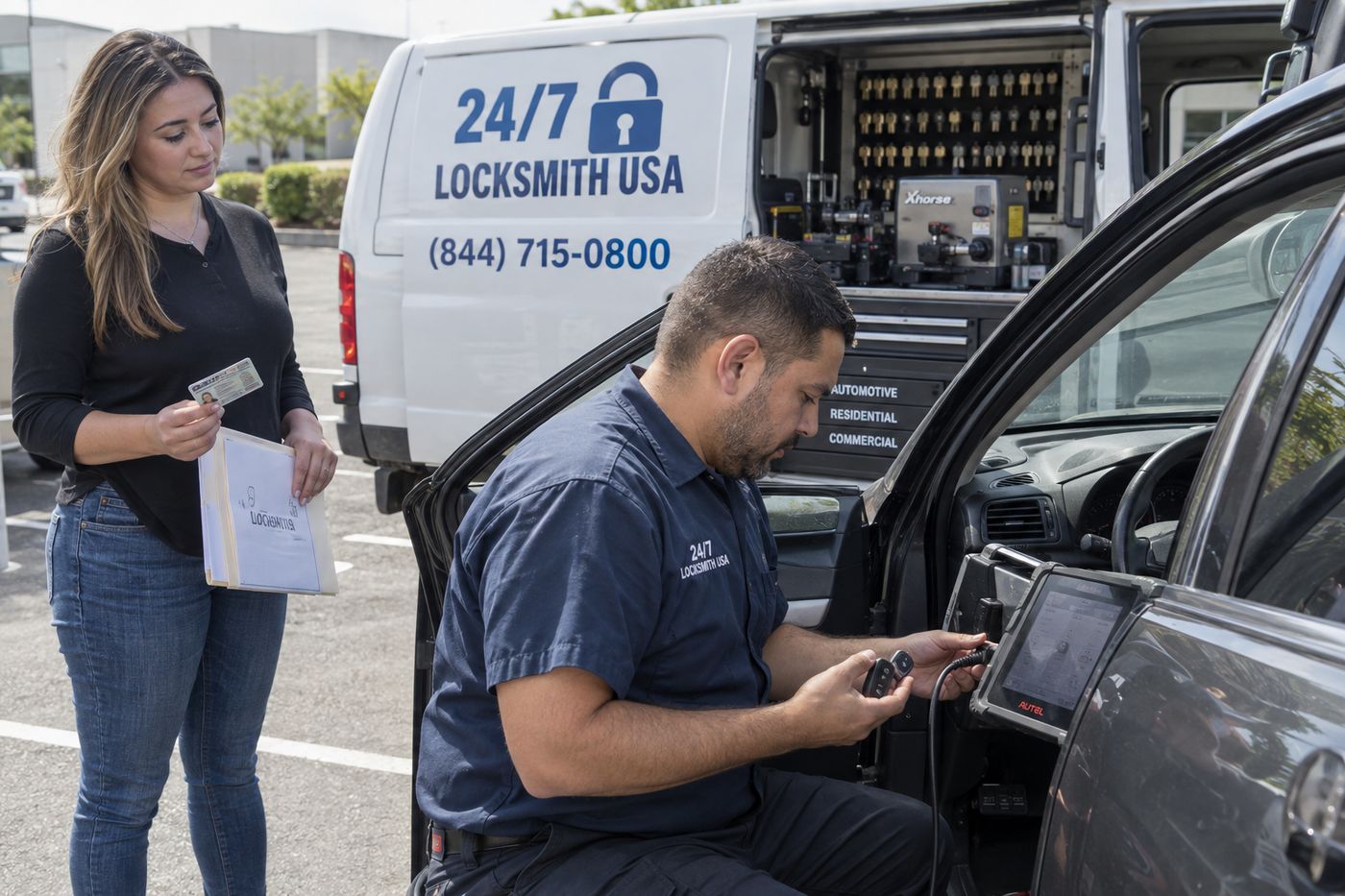
What we handle in Sarasota.
One mobile team across Sarasota, residential, automotive and commercial.
Marine & Dock Hardware
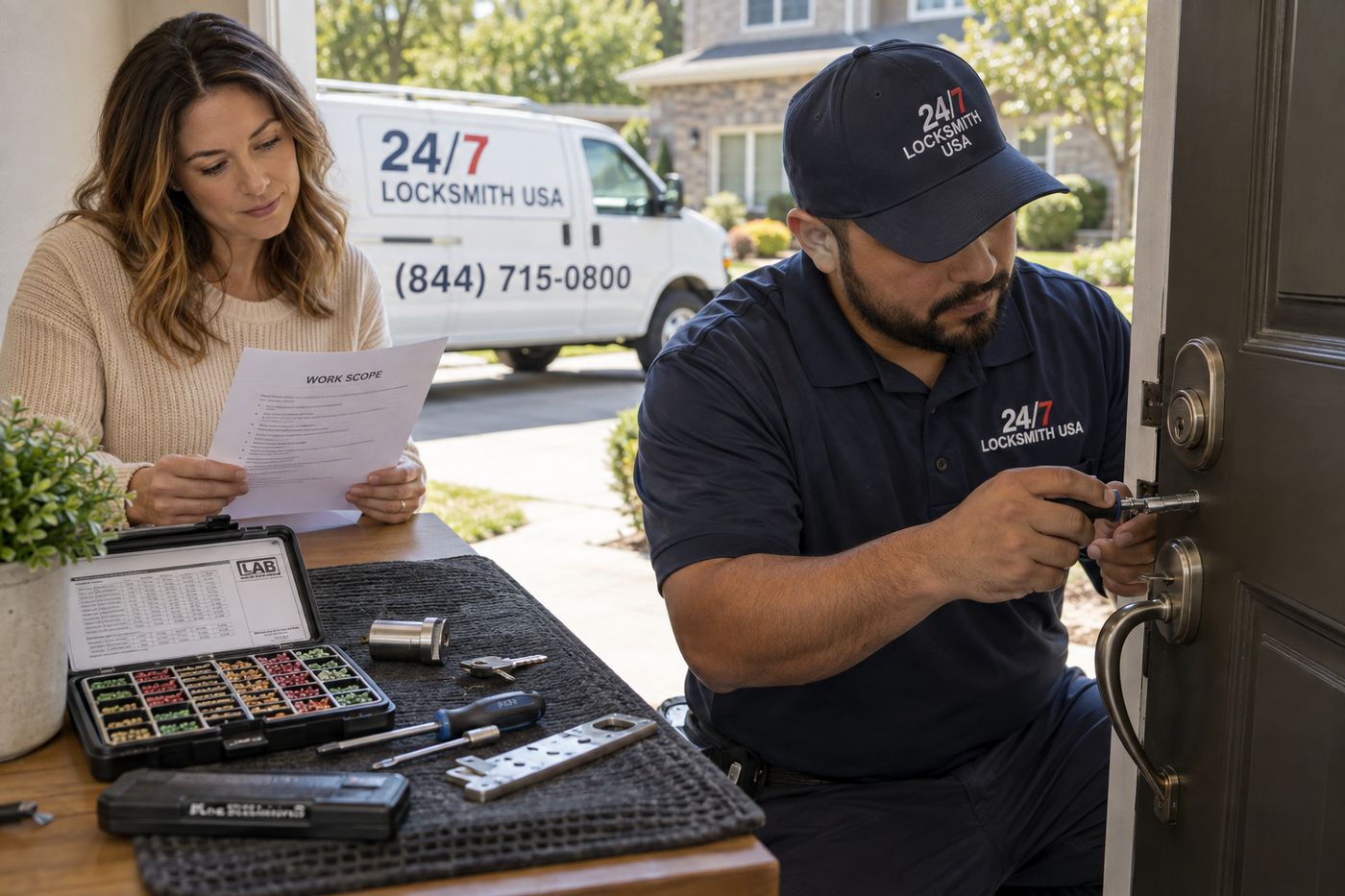
Corrosion-resistant cylinders and padlocks for boats, dock boxes and waterfront storage.
Impact Door & Storm Hardware
Multipoint locks and hardware on impact-rated doors adjusted, repaired or replaced.
High-Security Cylinders
Medeco and Mul-T-Lock cylinders for doors that need genuine key control rather than hardware-store pins.
Safe Opening & Servicing
Locked-out safes opened, and re-combinated where the model allows it.
Gate & Access Hardware
Pedestrian gates, keypads and gate locks for gated communities and fenced yards.
Mailbox & Cluster Box Locks
Communal and cluster box locks re-keyed or replaced, common in condo and HOA buildings.
Locks in Sarasota: what actually goes wrong.
The county-level business tax that used to apply here is gone - Sarasota County repealed it effective after July 9, 2024 - but the City of Sarasota's own Local Business Tax still applies to anyone operating inside city limits, including out of a home. On the hardware side, the older core is not standard modern construction: Laurel Park's contributing buildings date from 1920 to 1957 and are largely 1920s, so door thicknesses, backsets and frames there frequently do not match current retrofit hardware. Near the water, standard plated cylinders corrode from the inside out; solid brass or marine-grade hardware lasts several times longer for a small difference in price. The wet season is the humid load: Tampa Bay area 1991-2020 normals show average annual relative humidity of 74.1 percent, peaking at 78.4 percent in August, with about 49.5 inches of annual precipitation concentrated June-September. Hurricane Milton made landfall near Siesta Key at 8:30 PM EDT on October 9, 2024 as a Category 3 hurricane. constructed during the 1920s' in Frame Vernacular, Masonry Vernacular, Bungalow, Mission Revival, Colonial Revival and Mediterranean Revival styles. Sarasota is also the home of the Sarasota School of Architecture, a 'regional style of post-war modern architecture (1941-1966)' characterized by open plans and large glass planes.
A coastal climate that works on every lock
Sarasota's warm, humid air and its closeness to salt water shape how locks and keys age. Moisture sits in keyways, salt settles on metal, and sun bakes plastic housings through long summers. None of this is dramatic on any single day, but over a few seasons it turns smooth hardware into stiff, gritty hardware, and a key that used to slide in easily starts to hesitate.
The first signs are modest. A deadbolt that needs a second try, a mailbox lock that sticks, a car key that feels rough in the ignition. Treat these as early warnings rather than annoyances. Replacing or rekeying a tired lock on a calm afternoon is far easier than handling a failed one when it is dark and you are carrying bags.
This page is general guidance for Sarasota and does not describe past work in the city. Association rules, lease terms, vehicle requirements and building codes vary, so confirm with the right office or manager when you are unsure. Treat what follows as a way to understand the process, not as a substitute for the documents you already have.
If you travel along the coast, you may find the same guidance useful elsewhere in the state, and the Florida overview collects pages for other cities. People who live between Sarasota and the Tampa Bay area often cross city lines for work, so a lockout can happen far from home, and the advice for Tampa applies in much the same way.
Salt, humidity and the care locks actually need
Many people reach for a can of household oil when a lock sticks, and it is usually the wrong move. Oil attracts dust and sand, and in a humid coastal environment it can turn into a sticky paste inside the pins. A dry lubricant designed for locks is the usual advice, applied sparingly and followed by working the key in and out a few times. A technician can tell you which product suits your hardware.
Check exterior hardware at least twice a year. Look for rust streaks on the faceplate, pitting on the knob, loose mounting screws and a bolt that no longer extends fully. Gate latches, padlocks and lanai door locks are the most exposed. If you see corrosion spreading, replacement with hardware made for outdoor use is usually wiser than repeated cleaning.
Keys wear too. A key copied from a copy tends to lose accuracy, and a worn key slowly damages the pins it passes. If a key feels loose in the lock, or you need to jiggle it, have a fresh one cut from the original. Our page on worn car key symptoms describes what to watch for in vehicles, and the same logic applies to house keys.
When you ask for a new copy, bring the original rather than a duplicate, and compare the new key against it before you leave. A good copy slides in without force and turns without a catch. Test it in the lock it is meant for, in daylight, while you can still go back and ask for an adjustment. Keep the old key until the new one has proved itself, then decide whether the original deserves to be retired.
Hurricane season and your locks
Living on the Gulf coast means thinking about storms. A good plan includes your locks and keys, because a storm can cause evacuations, water damage and emergency repairs, and each of these puts pressure on doors. Before the season, check that every exterior door closes firmly, that deadbolts fully extend into the frame and that strike plates are secured with long screws.
Gather your important keys in one place. Make sure each family member knows where spare house and car keys are stored, and keep copies of vehicle ownership papers and the vehicle identification number in a waterproof bag. If you evacuate by car, put a spare key in a second location, so a single mishap does not strand you in a strange place.
After a storm, doors can swell, frames can shift and locks can fill with debris or water. Do not force a door that sticks. Our guide on hurricane season lock and key prep goes through a longer checklist. If water has reached electronic locks or key fobs, let them dry fully before testing them, since damp circuits can fail in confusing ways.
Garage entry doors, side gates and sheds matter during storm preparation as well. They often hold ladders, tools and chargers you will want afterward, and a gate that blows open invites trouble. Check latches, replace worn padlocks, and think about where each key lives. If you leave town ahead of a storm, tell one trusted person where a spare is kept, so repairs or inspections can proceed without delay when you cannot be reached.
Seasonal homes and the question of who has a key
Many Sarasota properties are second homes or seasonal residences, left empty for months at a time. That creates a particular problem with key control. Over the years, keys go to cleaners, property managers, neighbors, contractors, relatives and former renters. By the time you return, you may have no idea how many working copies exist.
Rekeying is the simple answer. It resets the locks so that only the keys you hold work, without replacing the hardware. Many owners rekey at the start of each season or whenever the group of people with access changes. Read lock rekey service for how the job proceeds and what you should have ready.
If you rely on a property manager, agree in writing on who may hold keys and what happens when they leave. Ask for a list of everyone with access, and update it at the end of each year. A lockbox is convenient for service visits but should be placed discreetly, and its code changed regularly. A little structure prevents the uneasy feeling of not knowing who can walk into your house.
Digital locks can help, though they bring their own chores. A keypad lets you issue a code for each visitor and delete it later, without collecting a physical key. But batteries must be replaced, and codes should never be shared by text with people you do not know well. Whatever hardware you choose, keep a mechanical backup key somewhere safe and check that it still works before you leave for the summer.
Condos, associations and shared entrances
Condominiums and townhomes have shared doors, gates and sometimes shared hardware. The association may own the street door and the common areas, while you own the lock on your unit door, or the reverse. Before you change anything, ask the management office what is allowed. Some associations require specific lock types or keyed alike systems, and requirements vary.
If you are locked out of your unit, the office may keep a spare. If not, a locksmith can help once your right to enter is confirmed. A lease, a deed, a utility bill or a note from the manager usually settles it. Having a photo ID with a matching address makes the conversation short. The page on being locked out of the house goes through the steps.
Do not overlook the lanai or patio slider. Sliding glass doors have latches that wear and tracks that collect grit, and they often have far weaker security than the front door. A secondary lock or a bar in the track is inexpensive. Check the latch regularly, and test that the door actually locks when closed, not merely seems to.
Mailbox and cabinet locks deserve a mention, since they are often forgotten. A cluster mailbox or a clubhouse cabinet uses small cylinders that corrode readily near the coast and in humid air. If your key sticks, do not wrench it, because a snapped key in a small cylinder is harder to extract than most people expect. Ask the association who is responsible for the lock before you call anyone, and keep the original key safe once it has been replaced.
Lost car keys and cars that need more than a cut key
Most vehicles on the road now use a key with a chip inside. The chip tells the engine computer that the key is genuine, and without it the car will turn over but not start, or will not turn over at all. A hardware store copy might open the door, yet leave the car silent. That is why programming matters as much as cutting.
If you have lost every key, the process is called all keys lost. A locksmith can often make a new key from the vehicle identification number once proof of ownership is shown. Bring a photo ID and the registration or title. The service page for all keys lost describes the steps in detail and what you can do to prepare.
If you still have one key, take it as a gift. Making a spare from a working key is simpler and often more economical than starting from scratch. The page on spare car key programming explains how it works. Do this before the last key goes missing, because the jump from one key to none is where stress and cost both rise.
Heat, sun and the fob in your pocket
A Florida summer is hard on car electronics. Fobs left on a dashboard or in a hot car can have shortened battery life, warped cases and lifted buttons. If your fob has started to work only on the third or fourth press, do not wait for it to quit. Replace the battery, and if that does not help, ask a locksmith to look at it.
Keep your spare in a cool place indoors, not in the car. Never leave a fob in a drink holder or on the dash in direct sun. The guide on summer heat and car key safety covers the details, and the logic is simple: electronics dislike heat, and plastic dislikes it more.
Tell the dispatcher what the fob does and does not do. Does the light come on? Do the doors respond from near the car but not from far away? Does the car start if you hold the fob against the dash? Each answer points toward a different cause, and a clear description helps the technician bring the right equipment.
Do not forget the emergency blade. Many fobs hide a small metal key that releases the driver door, and many cars have a hidden keyhole under a cap on the handle. Knowing where yours is, before the battery fails, can turn a stranded morning into a minor delay. Check the owner's manual, and practice once in the driveway so that you know how it works. Your car's manual may also show where a backup start position is.
Vacation rentals, visitors and the key left behind
Sarasota welcomes a steady stream of visitors, and visitors lose keys in unfamiliar places. A lost key on a vacation adds anxiety to what should be a relaxing week. If you are staying in a rental, contact the host or manager first. They may have a spare or a code, and a locksmith will want to confirm your right to be there anyway.
Rental cars follow their own rules. The rental company often provides roadside help for lockouts and lost keys, and calling them first can prevent a dispute about who pays. The article on the rental car lockout guide explains the usual order of steps. Keep the rental agreement handy when you call.
Hosts, for their part, should think about rekeying or changing codes between stays and about where lockboxes are placed. Avoid mounting a box where passers by can see it. Keep a log of who has access, and treat a lost key as a reason to reset the locks, not as a minor detail to be forgotten.
Small businesses and storefronts
Sarasota has many small businesses, and each has its own set of doors, keys and routines. A shop owner worries about the front door, the back door, the stockroom and perhaps a cash drawer or a safe. Each of these is a separate lock with a separate history, and some of the keys may not have been accounted for since the day they were cut.
A commercial locksmith can help organize that picture. The aim is for staff to hold only the keys they need, and for management to know exactly who has what. When an employee leaves, rekeying or replacing the relevant cylinders closes the gap. The guide on business owner key control basics offers a simple structure.
If you find a storefront door damaged or open, do not go in alone. Call the police, and arrange lock repair after the scene has been checked. Protect the premises with a temporary measure only if it is safe to do so. The priority is people, then property, then paperwork.
After an incident, document what you can. Photograph the door, the lock and any damage, and keep notes of what was repaired and when. If you have a landlord, an insurer or a business partner who needs to know, those records will matter. Ask your insurer what they require, since policies differ, and do not assume that lock repairs are covered without checking the terms.
Judging a quote and avoiding unpleasant surprises
The conversation about cost should begin before anyone is sent. A normal quote has a service call charge for coming to your location and a price for the work itself. Ask what each includes, whether programming or parts are separate, and what could change the final figure once the technician sees the situation.
Be cautious about very low numbers. A price that seems too good to be true is often only the cost of showing up, with the real figure appearing at your door. Ask for the company name and who is arriving. If the answers are vague, call someone else. Our page on how to spot a fake locksmith lists the warning signs.
You are entitled to refuse. If the technician suggests drilling a lock that should be simple to open, or insists on replacing hardware that seems fine, ask for an explanation and take your time. Write down the name of the person you spoke to, the amount quoted and the description of the work. Notes make disputes simpler to settle.
Common questions
How often should I check locks near the Gulf coast?
Twice a year is a reasonable habit, once before the summer and once before the winter visitors arrive. Look for rust, stiffness, loose screws and bolts that do not extend fully. Corroded hardware is easier to replace on a calm day than during a lockout.
Should I rekey a seasonal home every year?
Many owners do, especially if cleaners, managers or contractors have held keys. Rekeying cancels every old copy and costs less than replacing the hardware. A good moment is the start of each season, or any time the group with access changes.
What should I do about locks before a hurricane?
Check that every exterior door closes properly, that bolts reach the frame and that strike plates are firmly screwed in. Keep spare keys and ownership papers together in a waterproof bag. After the storm, do not force swollen doors, and let wet electronic locks dry before testing.
Can a car key be made if I have lost all of them?
In many cases yes, once ownership is shown. A locksmith can often cut and program a key using the vehicle identification number. Bring a photo ID and the registration or title, and describe the make, model and year when you call.
Who do I call if I am locked out of a condo?
Start with the management office, which may hold a spare. If that fails, a locksmith can help once your right to enter is confirmed with a lease, deed, utility bill or a note from the manager. Association rules about lock changes vary, so ask first.
Why does my key fob work only at close range?
The usual cause is a weak battery, and Florida heat can wear batteries down sooner. Try a new one first. If range is still poor, the fob may have a damaged antenna or board, which a locksmith can test and, if necessary, replace or reprogram.